When it comes to installing new flooring in your home, one of the biggest decisions you’ll face is whether to tackle the project yourself or hire a professional tradesperson. Both options have their advantages and potential drawbacks, and the best choice often depends on your skills, budget, and the complexity of the job. In this article, we’ll explore the pros and cons of DIY flooring installation versus hiring a professional, focusing on the installation of bamboo, engineered wood, and hybrid flooring. We’ll also discuss how YIP (Your Import Partner) can help you with high-quality flooring materials and expert advice.
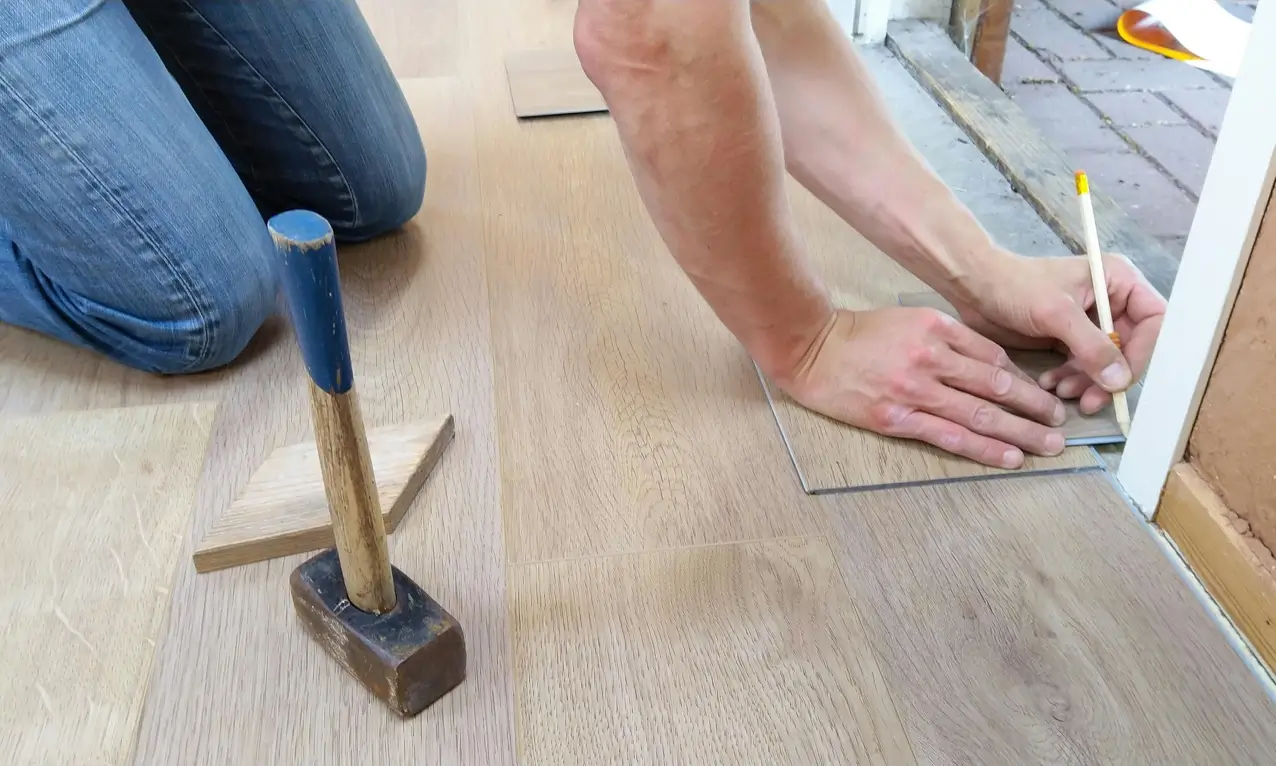
DIY Flooring Installation
DIY flooring installation can be a rewarding project for those who enjoy hands-on work and have some experience with home improvement tasks. Here are some pros and cons to consider:
Pros of DIY Flooring Installation:
1. Cost Savings: One of the main reasons homeowners choose to install flooring themselves is to save money. By doing the work yourself, you can avoid labor costs and potentially reduce the overall project expense.
2. Flexibility: DIY installation allows you to work at your own pace and on your own schedule. You can spread the project over several weekends or evenings, depending on your availability.
3. Sense of Accomplishment: Completing a flooring installation project on your own can be incredibly satisfying. It gives you a sense of pride and accomplishment knowing you’ve improved your home with your own hands.
Cons of DIY Flooring Installation:
1. Skill Level and Experience: Installing flooring requires a certain level of skill and experience. Mistakes can be costly and time-consuming to fix. If you’re not confident in your abilities, you might end up with a subpar installation.
2. Time-Consuming: Flooring installation can be a labor-intensive and time-consuming process, especially for larger spaces. If you have a busy schedule, finding the time to complete the project can be challenging.
3. Tools and Equipment: Proper installation requires specific tools and equipment that you might not already own. Purchasing or renting these tools can add to the overall cost of your DIY project.
Professional Flooring Installation
Hiring a professional tradesperson to install your flooring can provide peace of mind and ensure a high-quality result. Here are some pros and cons of going the professional route:
Pros of Professional Flooring Installation:
1. Expertise and Experience: Professional installers have the skills and experience to handle a wide range of flooring materials and installation challenges. They can ensure a flawless installation that meets industry standards.
2. Efficiency: Professionals can complete the job much faster than the average DIYer. Their efficiency can save you time and reduce the disruption to your home life during the installation process.
3. Quality and Warranty: Many professional installers offer warranties on their work, giving you additional peace of mind. If any issues arise after the installation, they can address them promptly.
4. Proper Tools and Materials: Professionals have access to the right tools and materials for the job. They can also provide valuable advice on the best underlay and finishes for your specific flooring type.
Cons of Professional Flooring Installation:
1. Cost: Hiring a professional tradesperson can be more expensive than doing the work yourself. Labor costs can add a significant amount to your overall project budget.
2. Scheduling: You’ll need to work around the availability of the installer, which might not always align with your preferred timeline.
Bamboo, Engineered Wood, and Hybrid Flooring Installation
Different types of flooring have specific installation requirements that might influence your decision to DIY or hire a professional.
Bamboo Flooring:
– DIY: Bamboo flooring can be installed as a floating floor, which is relatively straightforward for DIY enthusiasts. However, precise cutting and fitting are crucial to ensure a perfect finish.
– Professional: Hiring a professional ensures the bamboo flooring is installed correctly, especially if you’re opting for a nail-down or glue-down method. Professionals can also handle any subfloor preparation that might be needed.
Engineered Wood Flooring:
– DIY: Engineered wood flooring often features a click-lock system that makes it easier for DIY installation. However, achieving a seamless look requires careful planning and execution.
– Professional: Professionals can guarantee a high-quality installation, particularly for glue-down or nail-down methods. They can also handle complex patterns and layouts more efficiently.
Hybrid Flooring:
– DIY: Hybrid flooring is designed for easy installation, often with a click-lock system that’s perfect for DIY projects. It’s a great option for those with moderate DIY skills.
– Professional: For large areas or intricate layouts, hiring a professional can ensure a flawless finish. They can also offer advice on the best underlay and moisture barriers for your specific needs.
Conclusion: DIY or Professional?
Deciding between DIY and professional flooring installation depends on your skill level, budget, and the complexity of the project. While DIY installation can save money and provide a sense of accomplishment, hiring a professional can ensure a high-quality, efficient, and stress-free experience.
YIP (Your Import Partner) offers a range of high-quality bamboo, engineered wood, and hybrid flooring options to suit any project. Whether you choose to DIY or hire a professional, YIP provides the materials and expert advice you need to achieve the best results. Ready to start your flooring project? Contact YIP today to explore our selection and get started on transforming your home.