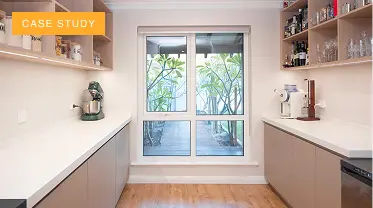
Bamboo flooring is gaining popularity as a stylish and eco-friendly alternative to traditional hardwood floors. But what exactly makes bamboo so special, and why should you consider it for your next home improvement project? In this blog post, we’ll delve into the key facts, pros, cons, and potential pitfalls of bamboo flooring, and highlight how YIP (Your Import Partner) can assist you in procuring this sustainable flooring option.
What is Bamboo Flooring?
Bamboo flooring is made from the bamboo plant, which is actually a type of grass. This plant is known for its rapid growth and sustainability, making it an excellent renewable resource. Typically, bamboo reaches maturity in just five to seven years, compared to the decades it takes for traditional hardwood trees to mature.
Key Facts About Bamboo Flooring
1. Sustainability: Bamboo is one of the fastest-growing plants on Earth, making it an environmentally friendly choice. It regenerates quickly and requires no replanting after harvesting.
2. Durability: When processed properly, bamboo flooring can be as hard and durable as oak. There are different types of bamboo flooring, such as strand-woven, which is particularly known for its strength.
3. Aesthetic Appeal: Bamboo flooring offers a unique and natural look that can range from light blond to darker hues, depending on the processing method.
4. Versatility: Bamboo can be installed in various settings, from living rooms to kitchens and even bathrooms, provided it is adequately sealed.
The Pros of Bamboo Flooring
1. Eco-Friendly: Choosing bamboo helps reduce deforestation and promotes sustainable living.
2. Cost-Effective: Bamboo flooring is generally more affordable than traditional hardwood options.
3. Easy Maintenance: It requires minimal maintenance; regular sweeping and occasional mopping are usually sufficient.
4. Allergy-Friendly: Bamboo floors do not trap dust and allergens, making them a good option for allergy sufferers.
5. Variety: Available in various grains and finishes, bamboo flooring can complement any interior design.
The Cons of Bamboo Flooring
1. Moisture Sensitivity: Bamboo can be susceptible to moisture and humidity, which may cause warping if not properly maintained.
2. Scratches and Dents: While durable, bamboo is still prone to scratches and dents, especially in high-traffic areas.
3. Chemical Processing: Some bamboo flooring options are processed with formaldehyde and other chemicals, which can be a concern for indoor air quality. Always opt for flooring with low VOC emissions.
Pitfalls During Installation
1. Subfloor Preparation: Bamboo flooring requires a clean, dry, and level subfloor. Any imperfections can lead to problems down the line.
2. Acclimation: Like all natural materials, bamboo needs to acclimate to your home’s environment. Failing to allow for this can result in expansion or contraction issues.
3. Installation Method: Depending on the type of bamboo flooring, installation can be done via nail-down, glue-down, or floating methods. Each method has its own set of challenges and requirements.
4. Moisture Control: Proper moisture barriers must be installed to prevent moisture from seeping up from the subfloor, especially in basements or areas prone to dampness.
Things to Consider Before Installing Bamboo Flooring
1. Type of Bamboo: Choose between horizontal, vertical, or strand-woven bamboo based on your aesthetic and durability preferences.
2. Room Usage: Consider the specific requirements of the room where you plan to install bamboo flooring. High-traffic areas may benefit from a more durable strand-woven option.
3. Climate: Bamboo performs best in stable climates. If you live in an area with high humidity or extreme temperature fluctuations, take extra precautions.
4. Quality and Certification: Ensure you are purchasing high-quality bamboo flooring from reputable suppliers. Look for certifications such as FSC (Forest Stewardship Council) to ensure sustainable and eco-friendly practices.
How YIP Can Help
At YIP, we understand the challenges and nuances of importing high-quality bamboo flooring. Here’s how we can assist you:
1. Expert Sourcing: We work with trusted suppliers to source the finest bamboo flooring, ensuring you receive top-notch products.
2. Quality Assurance: Our rigorous quality checks guarantee that you receive flooring that meets international standards and certifications.
3. Custom Solutions: Whether you need a specific finish, size, or type of bamboo flooring, we provide custom solutions tailored to your needs.
4. Logistical Support: From handling import paperwork to ensuring timely delivery, our comprehensive logistical support ensures a hassle-free experience.
5. Sustainability Focus: We prioritise eco-friendly products and practices, aligning with your values of sustainability and environmental responsibility.
Conclusion
Bamboo flooring is a fantastic choice for those looking to combine beauty, durability, and sustainability in their homes. By understanding the key facts, benefits, and potential drawbacks, you can make an informed decision. And with YIP by your side, procuring and installing bamboo flooring becomes a seamless and rewarding experience.
Ready to transform your home with bamboo flooring? Contact YIP today and let us help you bring nature’s elegance into your living space.