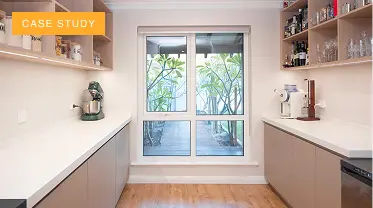
Engineered timber flooring is rapidly becoming a favourite among homeowners and interior designers alike, offering a perfect blend of beauty, durability, and practicality. But what exactly is engineered timber, and why should you consider it for your next renovation project? In this blog post, we’ll explore the essential facts, benefits, drawbacks, and potential challenges of engineered timber flooring, and explain how YIP (Your Import Partner) can assist you in sourcing this versatile flooring option.
What is Engineered Timber Flooring?
Engineered timber flooring is composed of multiple layers of wood, with a solid hardwood top layer and several layers of plywood or high-density fibreboard (HDF) underneath. This construction method provides the natural beauty of hardwood with enhanced stability and resistance to environmental changes.
Key Facts About Engineered Timber Flooring
1. Construction: Engineered timber consists of a real hardwood veneer bonded to a core of plywood or HDF, which provides added strength and stability.
2. Appearance: It offers the same aesthetic appeal as solid hardwood, with a wide range of finishes and styles available.
3. Durability: The layered construction makes it more resistant to warping and movement due to moisture and temperature changes compared to solid wood.
4. Versatility: Suitable for installation in a variety of settings, including basements and over radiant heating systems.
The Benefits of Engineered Timber Flooring
1. Stability: Engineered timber is less likely to expand or contract with changes in humidity and temperature, making it a more stable option than solid wood.
2. Aesthetic Variety: Available in numerous wood species, finishes, and styles, it can suit any décor from traditional to modern.
3. Ease of Installation: Many engineered timber floors feature click-lock systems that make installation quicker and easier, even for DIY enthusiasts.
4. Cost-Effective: Often more affordable than solid hardwood while providing a similar look and feel.
5. Eco-Friendly: Using less hardwood per plank than solid wood floors, engineered timber is a more resource-efficient choice.
The Drawbacks of Engineered Timber Flooring
1. Surface Wear: The thinner top layer can only be sanded and refinished a limited number of times compared to solid wood.
2. Moisture Sensitivity: While more stable than solid wood, engineered timber can still be damaged by excessive moisture if not properly maintained.
3. Quality Variation: There can be significant differences in quality between products, so it’s important to choose reputable brands and suppliers.
Challenges During Installation
1. Subfloor Preparation: A clean, dry, and level subfloor is essential to prevent issues such as uneven surfaces or squeaking.
2. Acclimation: Allow the flooring to acclimate to the room’s conditions for a few days before installation to prevent expansion or contraction issues.
3. Installation Method: Depending on the product, installation can be done via floating, glue-down, or nail-down methods, each with its own requirements and challenges.
4. Moisture Control: Proper moisture barriers are crucial, especially in areas like basements or over concrete slabs, to protect against dampness.
Considerations Before Installing Engineered Timber Flooring
1. Room Usage: Consider the specific needs of the room where you plan to install the flooring. High-traffic areas may benefit from thicker wear layers.
2. Climate: Engineered timber performs well in various climates, but extreme humidity or temperature fluctuations can still affect it.
3. Quality and Certification: Ensure you are purchasing high-quality engineered timber from reputable suppliers. Look for certifications such as FSC (Forest Stewardship Council) to guarantee sustainability and ethical sourcing.
4. Maintenance: While easy to maintain, engineered timber requires regular cleaning and occasional refinishing to keep it looking its best.
How YIP Can help
At YIP, we understand the intricacies of sourcing high-quality engineered timber flooring. Here’s how we can support you:
1. Expert Sourcing: We partner with trusted suppliers to ensure you receive the best engineered timber flooring available.
2. Quality Assurance: Our stringent quality checks ensure that your flooring meets international standards and certifications.
3. Custom Solutions: Whether you need specific finishes, sizes, or wood species, we provide tailored solutions to meet your unique needs.
4. Logistical Support: From handling import documentation to ensuring timely delivery, our comprehensive logistical services guarantee a smooth process.
5. Sustainability Focus: We prioritise eco-friendly products and practices, aligning with your commitment to sustainability and environmental stewardship.
Conclusion
Engineered timber flooring is an excellent choice for those seeking the beauty and warmth of wood with added stability and versatility. By understanding its benefits, potential drawbacks, and installation considerations, you can make an informed decision for your home. And with YIP by your side, sourcing and installing engineered timber flooring becomes a seamless and satisfying experience.
Ready to enhance your home with engineered timber flooring? Contact YIP today and let us help you bring the timeless elegance of wood into your living space.