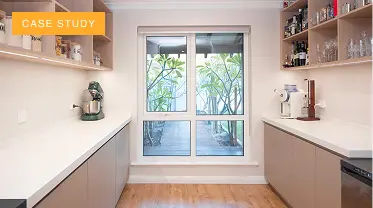
Bamboo flooring is a fantastic choice for homeowners seeking a stylish, eco-friendly, and durable flooring option. However, proper installation and care are essential to ensure it looks beautiful and lasts for years to come. In this blog post, we’ll explore the key considerations for installing bamboo flooring, how to prepare your space, tips to make it last longer, and effective cleaning practices. Additionally, we’ll explain how YIP (Your Import Partner) can assist you in sourcing high-quality bamboo flooring.
Preparing for Bamboo Flooring Installation
Proper preparation is crucial for a successful bamboo flooring installation. Here are the steps you need to follow:
1. Acclimate the Flooring: Bamboo flooring needs to acclimate to the room’s temperature and humidity. Leave the flooring planks in the installation area for at least 48-72 hours before installation. This helps prevent expansion or contraction after installation.
2. Inspect the Subfloor: Ensure the subfloor is clean, dry, and level. Any imperfections in the subfloor can cause issues with the bamboo flooring. If necessary, use a levelling compound to create a smooth surface.
3. Moisture Barrier: Install a moisture barrier if you’re installing bamboo flooring over concrete or in areas prone to moisture. This helps prevent moisture from seeping into the bamboo and causing damage.
4. Gather Tools and Materials: Make sure you have all the necessary tools and materials, including underlayment, adhesive (if needed), nails, a saw, and spacers. Having everything ready will make the installation process smoother.
Installing Bamboo Flooring
There are several methods to install bamboo flooring, including nail-down, glue-down, and floating. The choice of method depends on the type of bamboo flooring and your subfloor. Here’s a brief overview of each method:
1. Nail-Down Method: This method is suitable for solid bamboo flooring. Use a flooring nailer to secure the bamboo planks to the subfloor. Ensure that nails are placed at the correct intervals to prevent shifting.
2. Glue-Down Method: This method works well for both solid and engineered bamboo flooring. Apply adhesive to the subfloor and lay the bamboo planks on top, pressing firmly to ensure a strong bond.
3. Floating Method: This is ideal for engineered bamboo flooring. The planks are not attached to the subfloor but instead interlock with each other. An underlayment is placed between the subfloor and the bamboo to provide cushioning and moisture protection.
Tips to Make Bamboo Flooring Last Longer
1. Control Humidity Levels: Maintain a stable indoor humidity level (between 40-60%) to prevent the bamboo from expanding or contracting. Use a humidifier or dehumidifier if necessary.
2. Use Furniture Pads: Place felt pads under furniture legs to prevent scratches and dents. Avoid dragging furniture across the floor.
3. Protect from Direct Sunlight: Prolonged exposure to direct sunlight can cause bamboo to fade. Use curtains or blinds to protect your flooring from excessive sunlight.
4. Avoid High Heels: High heels can dent and damage bamboo flooring. Encourage family members and guests to remove their shoes before walking on the floor.
Cleaning and Maintenance
Proper cleaning and maintenance are essential to keep your bamboo flooring looking its best:
1. Regular Sweeping and Vacuuming: Sweep or vacuum the floor regularly to remove dust, dirt, and debris that can scratch the surface. Use a vacuum with a hardwood floor attachment.
2. Damp Mopping: Clean the floor with a damp mop and a mild, pH-neutral cleaner specifically designed for bamboo or hardwood flooring. Avoid using excessive water, as bamboo is susceptible to water damage.
3. Wipe Spills Immediately: Promptly wipe up any spills to prevent stains and water damage. Use a dry or slightly damp cloth.
4. Deep Cleaning: Periodically perform a deep cleaning using a bamboo floor cleaner. Follow the manufacturer’s instructions for best results.
5. Avoid Harsh Chemicals: Do not use abrasive cleaners, ammonia, or vinegar on bamboo flooring, as they can damage the finish.
How YIP Can Help
At YIP, we understand the importance of choosing high-quality bamboo flooring and ensuring it is properly installed and maintained. Here’s how we can assist you:
1. Expert Sourcing: We work with top manufacturers to source high-quality bamboo flooring that meets your specific requirements.
2. Quality Assurance: Our rigorous quality control processes ensure that you receive durable, beautiful bamboo flooring.
3. Custom Solutions: Whether you need a particular finish, style, or plank size, we offer customised options to match your home’s aesthetic and functional needs.
4. Comprehensive Support: From managing import documentation to ensuring timely delivery, our end-to-end logistical support guarantees a hassle-free procurement experience.
5. Sustainability Focus: We prioritise eco-friendly products and practices, helping you make responsible choices without compromising on quality or style.
Conclusion
Installing bamboo flooring is a wonderful way to enhance the beauty and sustainability of your home. By following the proper preparation, installation, and maintenance steps, you can ensure your bamboo flooring remains beautiful and durable for years to come. And with YIP by your side, sourcing and installing high-quality bamboo flooring becomes a seamless and rewarding process.
Ready to upgrade your home with beautiful bamboo flooring? Contact YIP today and let us help you find the ideal solution for your needs.