9257f6a2037ee6c574b12d93ac88fad3b951fb8d (1)

Your Import Partner

Resources

Guides & Insights
for Smarter Procurement.

Guides & Insights
for Smarter Procurement.

Practical guides, cost breakdowns, compliance information, and industry articles — written for builders, owner builders, and designers.

FEATURED

BUYER’S GUIDE

The Complete Guide to Importing Building Materials in Australia

12 min read March 2025

Everything you need to know before sourcing cabinetry, stone, tapware, or flooring from overseas — from customs duties and compliance to quality inspection and delivery logistics. Written for builders, owner builders, and designers.

Customs & Duties
Quality Control
Logistics
Cost Savings

All Resources

Everything We’ve Written.

articles & guides · Free, no sign-up required

Hybrid flooring is quickly becoming a go-to choice for homeowners and designers, combining the best features of laminate and vinyl into one innovative product. Its unique composition offers unmatched durability, water resistance, and aesthetic versatility. In this article, we’ll explore why hybrid flooring is poised to be the future of home design and how YIP (Your Import Partner) can help you embrace this modern flooring solution.

Unmatched Durability

Hybrid flooring is engineered to withstand the rigours of daily life. Its multi-layer construction includes a tough wear layer, a decorative layer that mimics the look of natural wood or stone, and a rigid core made from a blend of vinyl and limestone. This structure provides excellent resistance to scratches, dents, and general wear and tear, making it ideal for high-traffic areas and homes with pets and children.

Superior Water Resistance

One of the standout features of hybrid flooring is its 100% waterproof nature. Unlike traditional hardwood or laminate flooring, hybrid flooring can be installed in any room of the house, including moisture-prone areas like kitchens, bathrooms, and basements. This water resistance ensures that the flooring remains intact and beautiful, even when exposed to spills and humidity.

Aesthetic Versatility

Hybrid flooring offers a wide range of styles and finishes, from the authentic look of natural wood to the sleek appearance of stone. Advanced printing technology allows for realistic textures and patterns, giving homeowners the freedom to choose a design that perfectly complements their interior décor. Whether you prefer the rustic charm of oak or the modern elegance of marble, hybrid flooring provides endless design possibilities.

Easy Installation and Maintenance

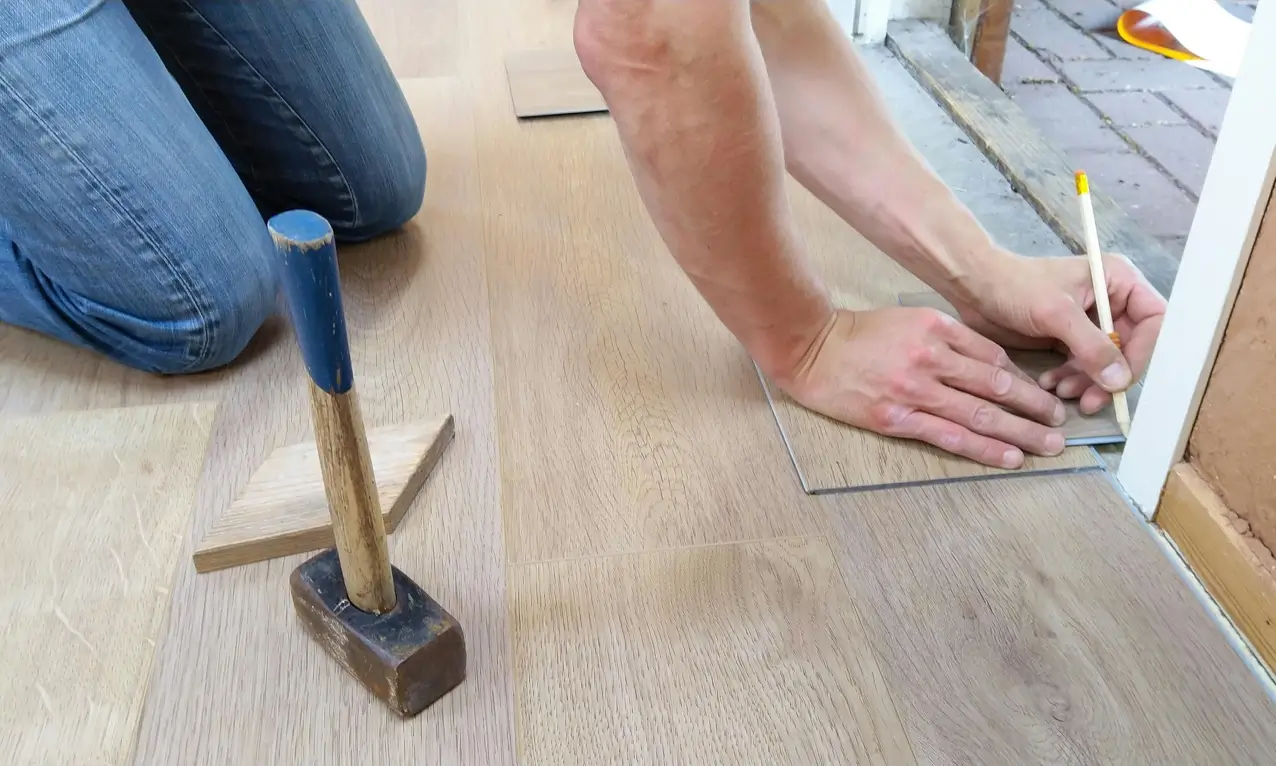
Hybrid flooring often features a click-lock installation system, making it a popular choice for DIY enthusiasts. This user-friendly design means that installation can be completed quickly and without the need for professional help. Additionally, hybrid flooring is low-maintenance, requiring only regular sweeping and occasional mopping to keep it looking its best.

Conclusion

Hybrid flooring represents the future of home design with its combination of durability, water resistance, and aesthetic versatility. It’s an ideal choice for modern living, offering practical benefits without sacrificing style. YIP (Your Import Partner) provides high-quality hybrid flooring options to suit any home renovation project. Ready to upgrade your flooring? Contact YIP today to discover how hybrid flooring can transform your space.

Calculating...
Hybrid flooring is quickly becoming a go-to choice for homeowners and designers, combining the best features of laminate and vinyl into one innovative product. Its unique composition offers unmatched durability,...

When it comes to installing new flooring in your home, one of the biggest decisions you’ll face is whether to tackle the project yourself or hire a professional tradesperson. Both options have their advantages and potential drawbacks, and the best choice often depends on your skills, budget, and the complexity of the job. In this article, we’ll explore the pros and cons of DIY flooring installation versus hiring a professional, focusing on the installation of bamboo, engineered wood, and hybrid flooring. We’ll also discuss how YIP (Your Import Partner) can help you with high-quality flooring materials and expert advice.


DIY Flooring Installation

DIY flooring installation can be a rewarding project for those who enjoy hands-on work and have some experience with home improvement tasks. Here are some pros and cons to consider:

Pros of DIY Flooring Installation:

1. Cost Savings: One of the main reasons homeowners choose to install flooring themselves is to save money. By doing the work yourself, you can avoid labor costs and potentially reduce the overall project expense.
2. Flexibility: DIY installation allows you to work at your own pace and on your own schedule. You can spread the project over several weekends or evenings, depending on your availability.
3. Sense of Accomplishment: Completing a flooring installation project on your own can be incredibly satisfying. It gives you a sense of pride and accomplishment knowing you’ve improved your home with your own hands.

Cons of DIY Flooring Installation:

1. Skill Level and Experience: Installing flooring requires a certain level of skill and experience. Mistakes can be costly and time-consuming to fix. If you’re not confident in your abilities, you might end up with a subpar installation.
2. Time-Consuming: Flooring installation can be a labor-intensive and time-consuming process, especially for larger spaces. If you have a busy schedule, finding the time to complete the project can be challenging.
3. Tools and Equipment: Proper installation requires specific tools and equipment that you might not already own. Purchasing or renting these tools can add to the overall cost of your DIY project.

Professional Flooring Installation

Hiring a professional tradesperson to install your flooring can provide peace of mind and ensure a high-quality result. Here are some pros and cons of going the professional route:

Pros of Professional Flooring Installation:

1. Expertise and Experience: Professional installers have the skills and experience to handle a wide range of flooring materials and installation challenges. They can ensure a flawless installation that meets industry standards.
2. Efficiency: Professionals can complete the job much faster than the average DIYer. Their efficiency can save you time and reduce the disruption to your home life during the installation process.
3. Quality and Warranty: Many professional installers offer warranties on their work, giving you additional peace of mind. If any issues arise after the installation, they can address them promptly.
4. Proper Tools and Materials: Professionals have access to the right tools and materials for the job. They can also provide valuable advice on the best underlay and finishes for your specific flooring type.

Cons of Professional Flooring Installation:

1. Cost: Hiring a professional tradesperson can be more expensive than doing the work yourself. Labor costs can add a significant amount to your overall project budget.
2. Scheduling: You’ll need to work around the availability of the installer, which might not always align with your preferred timeline.

Bamboo, Engineered Wood, and Hybrid Flooring Installation

Different types of flooring have specific installation requirements that might influence your decision to DIY or hire a professional.

Bamboo Flooring:
– DIY: Bamboo flooring can be installed as a floating floor, which is relatively straightforward for DIY enthusiasts. However, precise cutting and fitting are crucial to ensure a perfect finish.
– Professional: Hiring a professional ensures the bamboo flooring is installed correctly, especially if you’re opting for a nail-down or glue-down method. Professionals can also handle any subfloor preparation that might be needed.

Engineered Wood Flooring:
– DIY: Engineered wood flooring often features a click-lock system that makes it easier for DIY installation. However, achieving a seamless look requires careful planning and execution.
– Professional: Professionals can guarantee a high-quality installation, particularly for glue-down or nail-down methods. They can also handle complex patterns and layouts more efficiently.

Hybrid Flooring:
– DIY: Hybrid flooring is designed for easy installation, often with a click-lock system that’s perfect for DIY projects. It’s a great option for those with moderate DIY skills.
– Professional: For large areas or intricate layouts, hiring a professional can ensure a flawless finish. They can also offer advice on the best underlay and moisture barriers for your specific needs.

Conclusion: DIY or Professional?

Deciding between DIY and professional flooring installation depends on your skill level, budget, and the complexity of the project. While DIY installation can save money and provide a sense of accomplishment, hiring a professional can ensure a high-quality, efficient, and stress-free experience.

YIP (Your Import Partner) offers a range of high-quality bamboo, engineered wood, and hybrid flooring options to suit any project. Whether you choose to DIY or hire a professional, YIP provides the materials and expert advice you need to achieve the best results. Ready to start your flooring project? Contact YIP today to explore our selection and get started on transforming your home.

Calculating...
When it comes to installing new flooring in your home, one of the biggest decisions you'll face is whether to tackle the project yourself or hire a professional tradesperson. Both...

When installing new flooring, the question of whether to include an underlay often arises. Underlay can play a crucial role in the performance and longevity of your flooring, but its necessity depends on the type of flooring and the specific conditions of your installation. In this article, we’ll explore what underlay is, the benefits it offers, and whether your floor needs it. We’ll also discuss how YIP (Your Import Partner) can help you choose the right underlay for your project.

What is Underlay?

Underlay is a thin layer of cushioning material placed between the subfloor and the flooring material. It can be made from various materials, including foam, rubber, felt, and cork. The primary functions of underlay are to provide additional support, improve comfort underfoot, enhance sound insulation, and offer moisture protection.

Benefits of Underlay

1. Improved Comfort: Underlay adds a layer of cushioning beneath your flooring, making it more comfortable to walk on. This is particularly beneficial for hard flooring types like laminate, hybrid, and engineered wood.

2. Sound Insulation: Underlay can significantly reduce noise by absorbing sound. This is especially important in multi-story buildings or apartments where noise reduction is a priority.

3. Thermal Insulation: An underlay can provide an extra layer of thermal insulation, helping to keep your home warmer in the winter and cooler in the summer. This can contribute to energy savings and increased comfort.

4. Moisture Protection: Underlays can act as a moisture barrier, protecting your flooring from dampness that can rise from the subfloor. This is crucial in areas prone to moisture, such as basements and ground floors.

5. Increased Durability: By absorbing impact and reducing wear, underlay can extend the life of your flooring. It helps to prevent damage from foot traffic and heavy furniture.

6. Smooth Surface: Underlay can help to level out minor imperfections in the subfloor, providing a smoother surface for the installation of your flooring.

Does Your Floor Need Underlay?

Whether your floor needs an underlay depends on the type of flooring you are installing and the specific conditions of your home.

1. Hybrid Flooring: Hybrid flooring often comes with an integrated underlay, but if it doesn’t, adding one can enhance comfort and sound insulation. It’s especially beneficial in areas where noise reduction and thermal insulation are important.

2. Engineered Wood Flooring: Underlay is highly recommended for engineered wood flooring. It provides moisture protection, sound insulation, and additional comfort underfoot. It’s particularly useful in multi-story homes to reduce noise transmission between floors.

3. Bamboo Flooring: While bamboo flooring is durable and eco-friendly, it can benefit from an underlay to improve comfort, sound insulation, and thermal properties. An underlay can also help to manage moisture levels, ensuring the longevity of the bamboo flooring.

4. Vinyl Flooring: Vinyl flooring usually has some degree of cushioning built-in, but adding an underlay can enhance comfort and sound insulation. It’s also useful for providing a moisture barrier, especially in damp areas.

5. Laminate Flooring: Underlay is essential for laminate flooring. It helps to reduce noise, provides moisture protection, and adds comfort. A good underlay can also prevent the laminate from feeling too hard underfoot and can extend the life of the flooring.

Choosing the Right Underlay

Selecting the right underlay involves considering the type of flooring, the specific needs of your space, and your budget. Here are some tips:

– Material: Choose an underlay material that matches the needs of your flooring. For example, foam and rubber underlays are great for sound insulation and comfort, while felt and cork are excellent for thermal insulation and eco-friendliness.
– Thickness: The thickness of the underlay should be appropriate for the flooring type. Too thick can cause instability, while too thin may not provide sufficient cushioning and insulation.
– Moisture Barrier: In areas prone to moisture, select an underlay with built-in moisture protection to prevent damage to your flooring.

Conclusion

Underlay can significantly enhance the performance and comfort of your flooring. Whether you’re installing hybrid, engineered wood, bamboo, vinyl, or laminate flooring, underlay offers benefits such as improved comfort, sound and thermal insulation, moisture protection, and increased durability.

YIP (Your Import Partner) can assist you in choosing the right underlay for your specific flooring needs, ensuring you get the best results from your installation. By selecting high-quality underlay, you can extend the life of your flooring and create a more comfortable and energy-efficient home.

Ready to find the perfect underlay for your flooring project? Contact YIP today to explore our range of high-quality underlay options and make your flooring installation a success.

Calculating...
When installing new flooring, the question of whether to include an underlay often arises. Underlay can play a crucial role in the performance and longevity of your flooring, but its...

Choosing the right flooring for wet areas in your home is crucial to ensure durability, safety, and long-term performance. Areas such as kitchens, bathrooms, and basements are prone to moisture, spills, and humidity, making it essential to select flooring that can withstand these conditions. In this article, we’ll explore the best flooring options for wet areas, focusing on bamboo, engineered, and hybrid flooring, and explain why these materials, sourced through YIP (Your Import Partner), are excellent choices for moisture-prone environments.

Key Considerations for Wet Area Flooring

Before diving into specific flooring options, it’s important to understand the key factors that make flooring suitable for wet areas:

– Water Resistance: The flooring must resist water penetration to prevent damage such as warping, swelling, or mould growth.
– Durability: Wet area flooring should be durable enough to withstand frequent cleaning and high foot traffic.
– Ease of Maintenance: Floors in wet areas should be easy to clean and maintain to ensure hygiene and longevity.
– Safety: Slip resistance is crucial in wet areas to prevent accidents and injuries.

Bamboo Flooring: Eco-Friendly and Water-Resistant

Bamboo flooring is an eco-friendly option that combines sustainability with durability. While it is not naturally waterproof, high-quality bamboo flooring with proper sealing can resist moisture effectively, making it suitable for certain wet areas.

Advantages of Bamboo Flooring:
– Sustainability: Bamboo is a rapidly renewable resource, making it an environmentally responsible choice.
– Durability: Strand-woven bamboo is extremely hard and durable, capable of withstanding high foot traffic and impact.
– Water Resistance: When properly sealed, bamboo flooring can resist water spills and humidity, making it suitable for kitchens and other moderately wet areas.
– Aesthetic Appeal: Bamboo offers a unique, natural look that adds warmth and elegance to any space.

Best Uses for Bamboo Flooring:
– Kitchens: Sealed bamboo flooring can handle the occasional spills and humidity found in kitchens.
– Powder Rooms: Ideal for areas with minimal water exposure, like powder rooms or half baths.

Engineered Wooden Flooring: Stability and Elegance

Engineered wooden flooring consists of a top layer of real wood veneer bonded to a core of high-density plywood or fiberboard. This construction provides enhanced stability and resistance to moisture compared to solid hardwood.

Advantages of Engineered Wooden Flooring:
– Stability: The multi-layered core prevents warping and swelling, making it suitable for areas with fluctuating moisture levels.
– Aesthetic Variety: Available in various wood species, finishes, and plank sizes, engineered wood offers the natural beauty of hardwood.
– Durability: Engineered wood is durable and can handle the demands of busy households.
– Water Resistance: While not fully waterproof, engineered wood can resist moisture better than solid hardwood, especially when treated with water-resistant finishes.

Best Uses for Engineered Wooden Flooring:
– Kitchens: Engineered wood can handle the moderate moisture and spills typical of kitchen environments.
– Basements: Suitable for basements with controlled humidity levels, offering a warm and inviting look.

Hybrid Flooring: The Ultimate Waterproof Solution

Hybrid flooring is a cutting-edge product that combines the best features of vinyl and laminate flooring, resulting in a highly durable and 100% waterproof option. This makes it an ideal choice for any wet area in the home.

Advantages of Hybrid Flooring:
– Waterproof: Hybrid flooring is entirely waterproof, making it perfect for bathrooms, laundry rooms, and basements.
– Durability: Its rigid core and protective wear layer make hybrid flooring resistant to scratches, dents, and heavy foot traffic.
– Aesthetic Flexibility: Available in a wide range of styles and designs, hybrid flooring can mimic the look of natural wood or stone.
– Ease of Maintenance: Hybrid flooring is easy to clean and maintain, requiring only regular sweeping and occasional mopping.
– Easy Installation: Featuring a click-lock system, hybrid flooring is straightforward to install, even for DIY enthusiasts.

Best Uses for Hybrid Flooring:
– Bathrooms: Completely waterproof, hybrid flooring is ideal for bathrooms, where constant moisture and spills are common.
– Laundry Rooms: Perfect for laundry rooms due to its resistance to water and durability.
– Basements: Hybrid flooring can withstand the damp conditions often found in basements, making it a reliable and attractive choice.

Conclusion: The Best Flooring for Wet Areas

When it comes to choosing flooring for wet areas, bamboo, engineered, and hybrid flooring each offer unique advantages that cater to different needs and preferences.

– Bamboo Flooring: An eco-friendly choice that, when properly sealed, can handle moderate moisture levels, making it suitable for kitchens and powder rooms.
– Engineered Wooden Flooring: Provides the natural beauty of wood with enhanced stability and moisture resistance, ideal for kitchens and basements.
– Hybrid Flooring: The ultimate waterproof solution, perfect for bathrooms, laundry rooms, and basements due to its durability and ease of maintenance.

Selecting the right flooring for wet areas ensures that your home remains beautiful, functional, and safe. YIP (Your Import Partner) can help you source the highest quality bamboo, engineered, and hybrid flooring, providing you with the best options to suit your needs.

Ready to upgrade your wet areas with the best flooring options available? Contact YIP today to explore our extensive range of high-quality flooring solutions and make your next renovation project a success.

Calculating...
Choosing the right flooring for wet areas in your home is crucial to ensure durability, safety, and long-term performance. Areas such as kitchens, bathrooms, and basements are prone to moisture,...

As we move into 2024, flooring trends are evolving to meet the demands of modern living, with an emphasis on sustainability, durability, and aesthetic appeal. If you’re planning a renovation or simply looking to update your home’s look, staying ahead of the latest trends can help you make informed decisions. In this article, we’ll explore the top flooring trends for 2024, focusing on bamboo, engineered, and hybrid flooring, and how YIP (Your Import Partner) can help you achieve a stylish and functional home.

1. Sustainable Choices: Bamboo Flooring

Eco-Friendly Appeal
Sustainability continues to be a major trend in 2024, with homeowners increasingly opting for eco-friendly materials. Bamboo flooring is at the forefront of this trend due to its rapid growth cycle and minimal environmental impact. Unlike traditional hardwoods that take decades to mature, bamboo reaches maturity in just five to seven years, making it a highly renewable resource.

Natural Aesthetics
Bamboo flooring offers a natural, organic look that complements various interior styles, from contemporary to rustic. Its distinctive grain patterns and range of natural tones provide a unique aesthetic that adds warmth and character to any space.

Durability and Strength
Strand-woven bamboo flooring is known for its exceptional hardness and durability, making it an ideal choice for high-traffic areas. Its resistance to dents and scratches ensures that it will maintain its beauty for years to come, even in busy households with pets and children.

2. Wide Plank Engineered Wooden Flooring

Timeless Elegance
Wide plank flooring is gaining popularity as homeowners seek to create a sense of space and luxury in their homes. Engineered wooden flooring with a wide plank design enhances the natural beauty of wood, providing a timeless elegance that elevates any room.

Stability and Versatility
Engineered wooden flooring offers the beauty of hardwood with enhanced stability. Its multi-layer construction prevents warping and allows for installation in various environments, including basements and areas with fluctuating humidity. This makes it a versatile choice for any home.

Custom Finishes
The trend towards personalised home design means more homeowners are looking for unique finishes and textures. Engineered wooden flooring comes in a variety of finishes, from matte to glossy, and can be stained in custom colours to match your décor perfectly.

3. Waterproof Solutions: Hybrid Flooring

Ultimate Durability
Hybrid flooring is set to be a major trend in 2024 due to its unbeatable combination of durability and water resistance. This flooring option is perfect for areas prone to moisture, such as kitchens, bathrooms, and basements, as it can withstand spills and humidity without warping or damage.

Aesthetic Flexibility
Available in a wide range of styles, colours, and textures, hybrid flooring can mimic the look of natural wood or stone, offering high-end aesthetics without the high-end maintenance. Its versatility allows you to achieve the desired look for any room in your home.

Easy Installation
Hybrid flooring often features a click-lock system, making it easy to install as a DIY project. This user-friendly installation method saves time and money, making it a popular choice for homeowners looking to update their flooring quickly and efficiently.

4. Matte Finishes

Modern and Subtle
Matte finishes are becoming increasingly popular as they provide a modern, understated look that enhances the natural beauty of the flooring material. Matte finishes on bamboo, engineered, and hybrid flooring reduce glare and make scratches and imperfections less noticeable, ensuring a sleek, elegant appearance.

Low Maintenance
Floors with matte finishes are easier to maintain, as they do not show dust, dirt, and smudges as easily as high-gloss finishes. This makes them ideal for busy households, offering both style and practicality.

5. Textured Surfaces

Added Character
Textured surfaces are a key trend for 2024, adding depth and character to flooring. Whether it’s hand-scraped bamboo, wire-brushed engineered wood, or embossed hybrid flooring, these textures create a unique look that enhances the overall aesthetic of your home.

Enhanced Grip
Textured flooring also provides better traction, making it a safer option for homes with children and elderly residents. The added grip can prevent slips and falls, contributing to a safer living environment.

6. Neutral and Natural Colours

Timeless Appeal
Neutral and natural colours are set to dominate flooring trends in 2024, offering a timeless and versatile foundation for any interior design. Shades of grey, beige, and natural wood tones create a calming and sophisticated atmosphere, allowing for easy coordination with various décor styles.

Design Flexibility
Choosing neutral and natural colours for your flooring provides a flexible backdrop that can easily accommodate changing trends and personal tastes. This ensures your flooring remains stylish and relevant for years to come.

Conclusion: Stay Ahead with YIP Flooring Trends

As we embrace the top flooring trends for 2024, it’s clear that bamboo, engineered, and hybrid flooring are leading the way in terms of sustainability, durability, and aesthetic appeal. These flooring options not only enhance the beauty of your home but also offer practical benefits that align with modern lifestyles.

By choosing YIP (Your Import Partner), you can access a wide range of high-quality bamboo, engineered, and hybrid flooring options that reflect these trends. Whether you’re renovating your entire home or updating a single room, YIP provides the expertise and selection to help you achieve a stylish and functional space that stands the test of time.

Ready to transform your home with the latest flooring trends? Contact YIP today to discover the best flooring solutions for your 2024 renovation projects.

Calculating...
As we move into 2024, flooring trends are evolving to meet the demands of modern living, with an emphasis on sustainability, durability, and aesthetic appeal. If you’re planning a renovation...

Investing in quality flooring is one of the most effective ways to enhance the aesthetic appeal and market value of your home. Whether you’re planning to sell your property soon or simply want to make a long-term investment in your living space, choosing the right flooring can make a significant difference. In this article, we’ll explore how hybrid, engineered, and bamboo flooring can increase your home’s value, and why they are excellent choices for any renovation project.

The Impact of Flooring on Home Value

The flooring in your home sets the tone for the entire space. It’s one of the first things potential buyers notice and can significantly influence their perception of the property. High-quality, stylish flooring can make your home more attractive, functional, and durable, thereby increasing its market value. Here’s how hybrid, engineered, and bamboo flooring can contribute to this:

Hybrid Flooring: Durability and Versatility

1. Exceptional Durability
Hybrid flooring combines the best features of vinyl and laminate, making it one of the most durable flooring options available. Its construction typically includes multiple layers, such as a wear layer, a decorative layer, a rigid core, and an underlay. This structure ensures that hybrid flooring is resistant to scratches, dents, and moisture, making it ideal for high-traffic areas and homes with pets or children.

2. Moisture Resistance
One of the standout features of hybrid flooring is its waterproof nature. Unlike traditional hardwood or laminate, hybrid flooring can be installed in areas prone to moisture, such as kitchens, bathrooms, and basements, without the risk of warping or damage. This versatility makes it an attractive feature for potential buyers looking for low-maintenance, worry-free flooring solutions.

3. Aesthetic Appeal
Hybrid flooring is available in a wide range of styles, colours, and textures, many of which mimic the appearance of natural wood or stone. This means you can achieve a high-end look without the high-end price tag. The ability to offer buyers a beautiful, durable, and versatile flooring option can significantly enhance your home’s appeal and value.

Engineered Wooden Flooring: Stability and Elegance

1. Natural Beauty with Enhanced Stability
Engineered wooden flooring features a top layer of real wood veneer over a multi-layered core, usually made from plywood or high-density fiberboard (HDF). This construction offers the natural beauty and elegance of hardwood while providing superior stability and resistance to environmental changes. Unlike solid hardwood, engineered flooring is less likely to warp, crack, or shrink, making it a more reliable and long-lasting choice.

2. Wide Range of Options
Engineered wooden flooring comes in various wood species, finishes, and plank sizes, allowing you to choose the perfect style to complement your home’s décor. Whether you prefer the timeless appeal of oak or the distinctive character of hickory, engineered flooring can provide a luxurious look that adds value to your property.

3. Increased Home Value
The combination of natural beauty, durability, and low maintenance makes engineered wooden flooring a highly desirable feature for potential buyers. Homes with high-quality engineered wood floors are often perceived as more upscale and well-maintained, which can lead to higher offers and quicker sales.

Bamboo Flooring: Sustainability and Strength

1. Eco-Friendly Choice
Bamboo flooring is an environmentally friendly option that appeals to eco-conscious buyers. Bamboo is a rapidly renewable resource, growing to maturity in just five to seven years compared to the decades it takes for traditional hardwoods. Choosing bamboo flooring demonstrates a commitment to sustainability, which can be a strong selling point in today’s market.

2. Durability and Hardness
Bamboo flooring is known for its exceptional hardness and durability. Strand-woven bamboo, in particular, is one of the toughest flooring options available, making it resistant to dents, scratches, and heavy wear. This durability ensures that bamboo floors will look beautiful and perform well for years, even in high-traffic areas.

3. Unique Aesthetic Appeal
Bamboo flooring offers a unique and modern aesthetic that can set your home apart from others on the market. Its distinctive grain patterns and range of natural tones provide a fresh, contemporary look that appeals to many buyers. The combination of style and sustainability makes bamboo flooring an excellent investment that can increase your home’s value.

Conclusion: Investing in Flooring to Boost Home Value

Choosing the right flooring can significantly impact your home’s market value, making it a smart investment for any renovation project. Hybrid, engineered, and bamboo flooring each offer unique benefits that can enhance the appeal, functionality, and durability of your home.

– Hybrid Flooring: Offers exceptional durability, moisture resistance, and aesthetic versatility, making it suitable for any room in the house.
– Engineered Wooden Flooring: Combines the natural beauty of hardwood with enhanced stability and a wide range of options, appealing to buyers looking for luxury and durability.
– Bamboo Flooring: Provides an eco-friendly, durable, and stylish option that stands out for its sustainability and unique appearance.

By choosing high-quality flooring options like these, you can not only improve your living environment but also increase the market value of your home. Ready to invest in flooring that will boost your home’s value? Contact YIP (Your Import Partner) today to explore the best options for your renovation project and ensure a successful, value-enhancing upgrade.

Calculating...
Investing in quality flooring is one of the most effective ways to enhance the aesthetic appeal and market value of your home. Whether you’re planning to sell your property soon...

When it comes to choosing the perfect flooring for your home, the options can be overwhelming. Tiles, carpet, and various types of flooring each have their own advantages and drawbacks. In this blog post, we’ll explore the key features of tiles and carpet, and explain why bamboo, engineered timber, and hybrid flooring might be the best choice for your home. We’ll also highlight how YIP (Your Import Partner) can help you source the ideal flooring solution.


Tiles: Durable but Cold

Tiles have long been a popular choice for kitchens, bathrooms, and entryways due to their durability and water resistance. However, they come with some downsides:

– Durability: Tiles are incredibly durable and resistant to water, making them suitable for high-moisture areas.
– Maintenance: Easy to clean, tiles require minimal maintenance.
– Comfort: Tiles can be hard and cold underfoot, making them less comfortable for living areas and bedrooms.
– Aesthetics: While available in many styles and colours, tiles can feel impersonal and less inviting compared to other flooring options.

Carpet: Cozy but High Maintenance

Carpet provides a soft and warm surface, making it a favourite for bedrooms and living rooms. However, it has several disadvantages:

– Comfort: Carpet is comfortable underfoot and provides excellent insulation, making it ideal for colder climates.
– Aesthetics: Available in a wide range of colours and textures, carpet can match any décor.
– Maintenance: Carpets require regular vacuuming and deep cleaning to avoid dust and allergen buildup.
– Durability: Prone to stains, wear, and tear, especially in high-traffic areas. Not suitable for moisture-prone areas.

Bamboo, Engineered Timber, and Hybrid Flooring: The Superior Choice

Compared to tiles and carpet, bamboo, engineered timber, and hybrid flooring offer a perfect blend of style, comfort, and practicality. Here’s why these flooring types might be the best choice for your home:

1. Bamboo Flooring:
– Eco-Friendly: Bamboo is a sustainable choice due to its rapid growth and renewability.
– Aesthetic Appeal: Offers a unique, natural look that can brighten any room.
– Durability: Hard and resilient, bamboo can withstand heavy foot traffic but requires care to avoid scratches.
– Comfort: Provides a warm, comfortable surface that is gentle underfoot.

2. Engineered Timber Flooring:
– Versatility: Mimics the look of hardwood with added stability and resistance to warping.
– Aesthetic Variety: Available in numerous wood species and finishes to match any interior style.
– Durability: Suitable for high-traffic areas and various climates, engineered timber is a long-lasting choice.
– Maintenance: Easy to clean with regular sweeping and mopping.

3. Hybrid Flooring:
– Durability: Combines the best features of vinyl and laminate, making it exceptionally durable and scratch-resistant.
– Waterproof: Perfect for areas prone to moisture, such as kitchens and bathrooms.
– Aesthetic Flexibility: Available in a wide range of styles and colours, hybrid flooring can complement any décor.
– Comfort: Often includes an acoustic underlay, providing a softer feel and reducing noise.

Practical Considerations

1. Room Usage: Choose based on the specific needs of each room. Hybrid flooring is ideal for moisture-prone areas, while bamboo and engineered timber work well in living rooms and bedrooms.
2. Climate: Engineered timber and hybrid flooring perform well in various climates, offering stability and resistance to temperature changes.
3. Maintenance: All three flooring types require minimal maintenance compared to carpet, making them easier to keep clean and hygienic.

How YIP Can Help

At YIP, we understand the importance of choosing the right flooring for your home. Here’s how we can assist you:

1. Expert Sourcing: We work with top manufacturers to source high-quality bamboo, engineered timber, and hybrid flooring that meets your specific requirements.
2. Quality Assurance: Our rigorous quality control processes ensure that you receive durable, beautiful flooring that stands up to daily wear and tear.
3. Custom Solutions: Whether you need a particular finish, style, or material, we offer customised options to match your home’s aesthetic and functional needs.
4. Comprehensive Support: From managing import documentation to ensuring timely delivery, our end-to-end logistical support guarantees a hassle-free procurement experience.
5. Sustainability Focus: We prioritise eco-friendly products and practices, helping you make responsible choices without compromising on quality or style.

Conclusion

While tiles and carpet have their place, bamboo, engineered timber, and hybrid flooring offer superior benefits in terms of durability, comfort, and aesthetic appeal. By understanding the unique advantages of each flooring type, you can make an informed decision that enhances the beauty and functionality of your home. And with YIP by your side, sourcing and installing the perfect flooring becomes a seamless and rewarding process.

Ready to upgrade your home with the best flooring options available? Contact YIP today and let us help you find the ideal solution for your needs.

Calculating...
When it comes to choosing the perfect flooring for your home, the options can be overwhelming. Tiles, carpet, and various types of flooring each have their own advantages and drawbacks....

Your flooring is one of the most significant investments in your home, providing both functionality and aesthetic appeal. To keep it looking its best and ensure its longevity, proper maintenance and care are essential. In this blog post, we’ll explore how to maintain and care for three popular types of flooring: bamboo, engineered timber, and hybrid flooring. We’ll also highlight how YIP (Your Import Partner) can assist you in sourcing high-quality flooring that’s easy to maintain.

General Maintenance Tips for All Flooring Types

Regardless of the type of flooring you have, there are some universal tips to help keep your floors looking their best:

1. Regular Cleaning: Sweep or vacuum regularly to remove dust, dirt, and debris that can scratch the surface.
2. Mop Carefully: Use a damp (not wet) mop and a gentle, non-abrasive cleaner to clean your floors. Avoid excessive water, as it can damage certain types of flooring.
3. Protect from Furniture: Use felt pads under furniture legs to prevent scratches and dents. Lift furniture instead of dragging it across the floor.
4. Rugs and Mats: Place rugs or mats in high-traffic areas and near entryways to reduce wear and tear and trap dirt.
5. Sunlight Protection: Use curtains or blinds to protect your flooring from prolonged exposure to direct sunlight, which can cause fading.

Bamboo Flooring Maintenance

Bamboo flooring is known for its durability and eco-friendliness, but it requires specific care to maintain its beauty:

1. Sweep Frequently: Bamboo floors can easily accumulate dust and dirt, which can scratch the surface. Sweep regularly with a soft-bristle broom.
2. Use Gentle Cleaners: Clean with a damp mop and a mild, pH-neutral cleaner specifically designed for bamboo or hardwood flooring.
3. Avoid Excess Water: Bamboo is susceptible to water damage. Wipe up spills immediately and avoid using a wet mop.
4. Control Humidity: Maintain a stable indoor humidity level to prevent the bamboo from expanding or contracting.

Engineered Timber Flooring Maintenance

Engineered timber flooring offers the beauty of hardwood with added stability. Here’s how to keep it in top condition:

1. Regular Dusting: Dust or vacuum regularly to prevent scratches from dirt and debris. Use a vacuum with a hardwood floor attachment to avoid damage.
2. Damp Mopping: Clean with a damp mop and a cleaner recommended for engineered timber. Avoid using steam mops, as the heat and moisture can damage the flooring.
3. Protective Coating: Consider applying a protective finish every few years to maintain the floor’s appearance and protect it from wear.
4. Immediate Spill Cleanup: Engineered timber can be damaged by prolonged exposure to moisture. Wipe up spills immediately to prevent staining and warping.

Hybrid Flooring Maintenance

Hybrid flooring is known for its durability and waterproof properties, making it relatively easy to maintain:

1. Daily Cleaning: Sweep or vacuum regularly to remove dirt and debris. Hybrid flooring’s surface is resistant to scratches, but regular cleaning prevents buildup.
2. Mopping: Use a damp mop with a mild cleaner suitable for hybrid flooring. Avoid using abrasive cleaners that can damage the surface.
3. Stain Removal: For tougher stains, use a gentle cleaner and a soft cloth. Avoid harsh chemicals and abrasive scrubbing pads.
4. Temperature Stability: While hybrid flooring is highly durable, maintaining a stable indoor temperature helps prevent any potential expansion or contraction.

How YIP Can Help

At YIP, we understand the importance of maintaining beautiful, long-lasting flooring. Here’s how we can assist you:

1. Expert Sourcing: We collaborate with top manufacturers to source high-quality bamboo, engineered timber, and hybrid flooring that is designed for easy maintenance.
2. Quality Assurance: Our stringent quality control processes ensure that you receive durable, low-maintenance flooring that meets your needs.
3. Custom Solutions: Whether you need specific finishes or styles, we offer customised options to match your aesthetic preferences and lifestyle.
4. Comprehensive Support: From managing import documentation to ensuring timely delivery, our end-to-end logistical support guarantees a smooth procurement experience.
5. Sustainability Focus: We prioritise eco-friendly products and practices, helping you make responsible choices without compromising on quality or style.

Conclusion

Maintaining and caring for your flooring is essential to preserve its beauty and extend its lifespan. By following these tips for bamboo, engineered timber, and hybrid flooring, you can ensure your floors remain in top condition for years to come. And with YIP by your side, sourcing and installing high-quality, low-maintenance flooring becomes a seamless and rewarding process.

Ready to enhance your home with easy-to-maintain flooring? Contact YIP today and let us help you find the ideal solution for your home’s needs.

Calculating...
Your flooring is one of the most significant investments in your home, providing both functionality and aesthetic appeal. To keep it looking its best and ensure its longevity, proper maintenance...

Natural lighting plays a significant role in the overall feel and aesthetic of your home. It can influence the appearance of your flooring, making it essential to choose the right type that complements and enhances the light in your space. In this blog post, we’ll explore how to select flooring based on the natural lighting in your home, focusing on bamboo, engineered timber, and hybrid flooring. We’ll also explain how YIP (Your Import Partner) can help you source the ideal flooring for your light-filled spaces.


The Importance of Natural Lighting in Flooring Choices

Natural light can affect the colour, texture, and overall look of your flooring. Here are some key considerations:

– Brightness: Lighter floors can help make a space feel more open and airy, while darker floors can add warmth and cosiness.
– Colour Fading: Prolonged exposure to direct sunlight can cause some flooring materials to fade over time.
– Reflection: Glossy floors can reflect light, enhancing brightness, while matte finishes can diffuse light for a softer look.


Types of Flooring Based on Natural Lighting

1. Bamboo Flooring:

– Light Interaction: Bamboo flooring typically comes in lighter tones, which can brighten up rooms with moderate to low natural light. It’s perfect for creating an open, airy feel.
– Colour Stability: While bamboo can fade under direct sunlight, choosing a UV-resistant finish can help maintain its colour.
– Best For: Rooms with moderate natural light. Bamboo’s natural light tone complements well-lit areas and can enhance the brightness of darker rooms.

2. Engineered Timber Flooring:

– Versatility in Appearance: Engineered timber comes in a wide range of colours and finishes, from light oak to dark walnut, allowing you to match your flooring to the light conditions in each room.
– Sunlight Resistance: High-quality engineered timber with UV protection can resist fading and maintain its beauty even in sunlit areas.
– Best For: Rooms with varying light conditions. Choose lighter shades for darker rooms to brighten them up, and darker shades for sunlit rooms to add depth and contrast.

3. Hybrid Flooring:

– Durable and Versatile: Hybrid flooring is available in numerous styles and colours, making it easy to find an option that suits your lighting conditions. It’s also highly durable and resistant to fading, making it ideal for sunlit rooms.
– Light Reflectance: Hybrid flooring often has a protective layer that can reflect light, enhancing the brightness of any room.
– Best For: Any room in the home, including those with direct sunlight. Its resistance to fading and wide range of styles make it a versatile choice for all lighting conditions.

Practical Tips for Choosing Flooring Based on Natural Lighting

1. Assess the Light: Observe how natural light enters each room throughout the day. Note which areas receive direct sunlight and which are more shaded.
2. Light Colours for Dark Rooms: In rooms with limited natural light, choose lighter flooring to help reflect light and make the space feel larger and brighter.
3. Darker Colours for Bright Rooms: In rooms with plenty of natural light, darker flooring can create a striking contrast and add a sense of richness and warmth.
4. Protective Finishes: Consider flooring with UV-resistant finishes to protect against fading in rooms that receive direct sunlight.
5. Texture and Gloss: Choose the texture and gloss level based on the effect you want. Glossy floors can enhance brightness, while matte finishes can create a more subdued and elegant look.

How YIP Can Help

At YIP, we understand the importance of choosing the right flooring to complement the natural lighting in your home. Here’s how we can assist you:

1. Expert Sourcing: We collaborate with top manufacturers to source high-quality bamboo, engineered timber, and hybrid flooring that suits your specific lighting conditions.
2. Quality Assurance: Our rigorous quality control processes ensure that you receive durable, beautiful flooring that stands up to the demands of your home’s natural light.
3. Custom Solutions: Whether you need a particular finish, style, or material, we offer customised options to match your home’s lighting and aesthetic.
4. Comprehensive Support: From managing import documentation to ensuring timely delivery, our end-to-end logistical support guarantees a hassle-free procurement experience.
5. Sustainability Focus: We prioritise eco-friendly products and practices, helping you make responsible choices without compromising on quality or style.

Conclusion

Selecting the right flooring based on the natural lighting in your home can significantly enhance its beauty and ambience. By considering how bamboo, engineered timber, and hybrid flooring interact with light, you can make an informed decision that elevates your living space. And with YIP by your side, sourcing and installing the perfect flooring becomes a seamless and rewarding process.

Ready to transform your home with the perfect flooring for your natural lighting? Contact YIP today and let us help you find the ideal solution for your light-filled spaces.

Calculating...
Natural lighting plays a significant role in the overall feel and aesthetic of your home. It can influence the appearance of your flooring, making it essential to choose the right...

Choosing the right flooring for a home with pets is crucial, as it needs to withstand claws, spills, and the occasional mess while maintaining an attractive appearance. In this blog post, we’ll explore the best flooring options for households with cats and dogs, focusing on bamboo, engineered timber, and hybrid flooring. We’ll also explain how YIP (Your Import Partner) can assist you in sourcing the perfect pet-friendly flooring.


Key Considerations for Pet-Friendly Flooring

When selecting flooring for a pet-friendly home, it’s important to consider several factors:
– Durability: The flooring should resist scratches and wear from pet claws.
– Stain Resistance: Floors should be able to handle accidents and spills.
– Ease of Cleaning: Easy-to-clean surfaces are essential for maintaining a hygienic home.
– Comfort and Safety: The flooring should provide a comfortable and safe surface for pets.

Types of Flooring for Homes with Pets

1. Bamboo Flooring:

– Durability: Bamboo is known for its hardness and resilience, making it a good choice for homes with pets. However, it can still get scratched by sharp claws.
– Stain Resistance: Bamboo is relatively resistant to stains and can handle pet accidents if cleaned promptly.
– Easy Maintenance: Regular sweeping and mopping are sufficient to keep bamboo floors clean.
– Comfort: Bamboo offers a comfortable surface for pets to walk and lie on.
– Best For: Homes in moderate climates. Bamboo is suitable for areas with low to moderate humidity but may not perform well in very wet conditions.

2. Engineered Timber Flooring:

– Durability: Engineered timber combines the beauty of hardwood with added stability, making it resistant to warping and suitable for high-traffic areas.
– Stain Resistance: Engineered timber can resist stains if treated and maintained properly, but spills should be cleaned promptly.
– Easy Maintenance: This flooring type is easy to clean, requiring regular sweeping and occasional mopping.
– Comfort: Engineered timber provides a smooth, warm surface that is comfortable for pets.
– Best For: Both houses and apartments. It performs well in various climates and can handle fluctuations in temperature and humidity.

3. Hybrid Flooring:

– Durability: Hybrid flooring is exceptionally durable and resistant to scratches, dents, and stains, making it ideal for homes with pets.
– Waterproof: Hybrid flooring is completely waterproof, which is perfect for handling pet spills and accidents.
– Low Maintenance: This flooring type is very easy to clean, requiring only regular sweeping and mopping.
– Comfort: The integrated underlay provides a softer feel underfoot, which is comfortable for pets.
– Best For: All areas of the home, including kitchens and bathrooms. Hybrid flooring is suitable for both hot and cold climates.

Practical Considerations

1. Scratch Resistance: For homes with active pets, hybrid and bamboo flooring are excellent choices due to their durability and resistance to scratches.
2. Moisture Resistance: In areas prone to spills and accidents, such as near pet bowls or litter boxes, hybrid flooring’s waterproof nature is highly beneficial.
3. Allergen Control: All three types of flooring help reduce allergens compared to carpets, making them better for both pets and owners with allergies.
4. Noise Reduction: Hybrid flooring often includes an acoustic underlay that helps reduce noise from pets running around.

How YIP Can Help

At YIP, we understand the unique needs of pet owners and the importance of choosing the right flooring. Here’s how we can assist you:

1. Expert Sourcing: We work with top manufacturers to source high-quality bamboo, engineered timber, and hybrid flooring that meets your specific needs.
2. Quality Assurance: Our stringent quality control processes ensure that you receive durable, pet-friendly flooring that can withstand the demands of your furry friends.
3. Custom Solutions: Whether you need a particular finish, style, or material, we offer customised options to suit your home’s aesthetic and functional requirements.
4. Comprehensive Support: From managing import documentation to ensuring timely delivery, our end-to-end logistical support guarantees a hassle-free procurement experience.
5. Sustainability Focus: We prioritise eco-friendly products and practices, helping you make responsible choices without compromising on quality or style.

Conclusion

Selecting the right flooring for a pet-friendly home involves balancing durability, stain resistance, and comfort. By considering the unique benefits of bamboo, engineered timber, and hybrid flooring, you can create a safe and welcoming environment for your pets. And with YIP by your side, sourcing and installing the perfect flooring becomes a seamless and rewarding process.

Ready to enhance your home with pet-friendly flooring? Contact YIP today and let us help you find the ideal solution for your home and your furry friends.

Calculating...
Choosing the right flooring for a home with pets is crucial, as it needs to withstand claws, spills, and the occasional mess while maintaining an attractive appearance. In this blog...

Choosing the right flooring for a growing family is a significant decision, as it needs to combine style, durability, and safety. With children running around, spills, and the occasional mess, your flooring needs to stand up to the challenge while maintaining a welcoming aesthetic. In this blog post, we’ll explore the best flooring options for families with children, focusing on bamboo, engineered timber, and hybrid flooring. We’ll also explain how YIP (Your Import Partner) can support you in sourcing the perfect flooring for your home.


Key Considerations for Family-Friendly Flooring

When selecting flooring for a family home, it’s important to consider several factors:
– Durability: The flooring should withstand heavy foot traffic and the activities of children and pets.
– Safety: Look for flooring that is slip-resistant and comfortable for little feet.
– Maintenance: Easy-to-clean surfaces are essential for busy families.
– Aesthetic Appeal: The flooring should complement your home’s style and create a warm, inviting atmosphere.


Types of Flooring for Growing Families

1. Bamboo Flooring:

– Durability: Bamboo flooring is known for its hardness and durability. It can withstand the rigours of a busy household, although it can be susceptible to scratches from pets’ claws or dragging furniture.
– Eco-Friendly: Bamboo is a sustainable choice, regenerating quickly and making it an environmentally friendly option.
– Easy Maintenance: Bamboo floors are relatively easy to clean with regular sweeping and mopping.
– Safety: Bamboo provides a naturally slip-resistant surface, which is safer for young children.
– Best For: Family homes in moderate climates. It may not be ideal for areas with high humidity or significant temperature fluctuations.

2. Engineered Timber Flooring:

– Durability: Engineered timber offers the beauty of hardwood with added stability, making it resistant to warping and moisture. It’s a great choice for high-traffic areas.
– Aesthetic Versatility: Available in a wide range of wood species and finishes, it can suit any home décor, from traditional to modern.
– Easy Maintenance: Regular sweeping and occasional mopping will keep engineered timber looking its best.
– Safety: Engineered timber provides a smooth, comfortable surface that is generally safe for children.
– Best For: Both houses and apartments. It is particularly suitable for homes with fluctuating temperatures or humidity levels.

3. Hybrid Flooring:

– Durability: Hybrid flooring combines the best features of vinyl and laminate, making it exceptionally durable and resistant to scratches, dents, and stains.
– Waterproof: Perfect for families with young children who are prone to spills, hybrid flooring is completely waterproof.
– Low Maintenance: This flooring type is incredibly easy to clean and maintain, requiring only regular sweeping and mopping.
– Comfort and Safety: Hybrid flooring often includes an acoustic underlay, providing a softer feel underfoot and reducing noise, making it comfortable and safer for children.
– Best For: All areas of the home, including kitchens and bathrooms, thanks to its waterproof nature. It’s ideal for homes in both hot and cold climates.

Practical Considerations

1. High-Traffic Areas: For living rooms, hallways, and playrooms, opt for hybrid or engineered timber flooring due to their durability and resistance to wear and tear.
2. Wet Areas: In kitchens and bathrooms, hybrid flooring is the best choice because of its waterproof properties.
3. Comfort: For bedrooms and nurseries, bamboo and engineered timber provide a warm, comfortable surface that is gentle on little feet.
4. Allergen Control: All three types of flooring are good choices for allergy sufferers as they do not trap dust and allergens like carpets do.


How YIP Can Help

At YIP, we understand the unique needs of growing families and the importance of choosing the right flooring. Here’s how we can assist you:

1. Expert Sourcing: We collaborate with top manufacturers to source high-quality bamboo, engineered timber, and hybrid flooring that meets your specific requirements.
2. Quality Assurance: Our stringent quality control processes ensure that you receive durable, family-friendly flooring that stands up to the demands of a busy household.
3. Custom Solutions: Whether you need a particular finish, style, or material, we offer customised options to suit your family’s needs and preferences.
4. Comprehensive Support: From managing import documentation to ensuring timely delivery, our end-to-end logistical support guarantees a hassle-free procurement experience.
5. Sustainability Focus: We prioritise eco-friendly products and practices, helping you make responsible choices without compromising on quality or style.

Conclusion

Selecting the right flooring for a growing family involves balancing durability, safety, and aesthetic appeal. By considering the unique benefits of bamboo, engineered timber, and hybrid flooring, you can create a welcoming and practical environment for your children to thrive. And with YIP by your side, sourcing and installing the perfect flooring becomes a smooth and rewarding process.

Ready to transform your home with family-friendly flooring? Contact YIP today and let us help you find the ideal solution for your home and family.

Calculating...
Choosing the right flooring for a growing family is a significant decision, as it needs to combine style, durability, and safety. With children running around, spills, and the occasional mess,...

Renovating your home is an exciting journey, and one of the most significant choices you’ll make is selecting the right flooring. The perfect flooring not only enhances the aesthetic appeal of your home but also provides practical benefits suited to your lifestyle and environment. In this blog post, we’ll explore how to style your flooring to complement other fixtures, the types of flooring to choose from, and the factors to consider based on your living conditions. We’ll focus on bamboo, engineered timber, and hybrid flooring, and explain how YIP (Your Import Partner) can help you make the best choice.

Styling Your Flooring

When choosing flooring, it’s essential to consider how it will harmonise with your home’s overall design, including fixtures like shutters, cabinetry, and furnishings. Here are some tips to guide your styling:

1. Coordinate with Shutters and Fixtures: If you have wooden shutters, choose a flooring that complements the wood tones. Light bamboo or engineered timber can pair beautifully with both light and dark shutters, adding a cohesive look to your interiors.
2. Create Contrast: For a modern, chic look, consider contrasting your flooring with other elements. Dark hybrid flooring can create a striking contrast with white or light-coloured furniture, adding depth and visual interest.
3. Match the Aesthetic: Consider the style of your home. Rustic or traditional homes may benefit from the natural look of bamboo or engineered timber, while contemporary spaces might shine with sleek hybrid flooring.

Types of Flooring to Consider

1. Bamboo Flooring:

– Aesthetic Appeal: Bamboo flooring offers a unique, natural look that ranges from light blond to darker tones, suitable for various interior styles.
– Sustainability: Bamboo is an eco-friendly option due to its rapid growth and renewability.
– Best For: Houses in moderate climates. Bamboo can be susceptible to moisture and extreme temperature changes.
– Sunlight Impact: Bamboo can fade in direct sunlight over time. Consider using curtains or UV-protective coatings to mitigate this.

2. Engineered Timber Flooring:

– Aesthetic Versatility: Engineered timber replicates the look of solid hardwood and comes in numerous wood species, finishes, and styles.
– Durability: More stable than solid wood, engineered timber is resistant to warping and movement due to humidity and temperature changes.
– Best For: Both houses and apartments. Suitable for areas with temperature fluctuations.
– Sunlight Impact: Engineered timber can also fade in direct sunlight. UV-protective treatments can help maintain its appearance.

3. Hybrid Flooring:

– Innovative Design: Combines the best features of vinyl and laminate flooring, offering high durability and a wide range of styles.
– Waterproof: Ideal for areas prone to moisture, like kitchens and bathrooms.
– Best For: Both houses and apartments, especially in areas with high humidity or extreme climates.
– Sunlight Impact: Generally resistant to UV rays, hybrid flooring maintains its colour well even in sunny rooms.

Practical Considerations

1. Climate:
– Hot Climates: Hybrid flooring is an excellent choice due to its resistance to heat and moisture. Engineered timber is also suitable if you prefer a wood look.
– Cold Climates: Engineered timber provides a warm, comfortable feel underfoot. Bamboo can be used but ensure proper acclimation and installation to handle temperature changes.

2. Room Usage:
– High-Traffic Areas: Opt for hybrid or engineered timber flooring, which are both durable and easy to maintain.
– Wet Areas: Hybrid flooring is the best choice due to its waterproof properties.

3. Direct Sunlight: Rooms with lots of natural light can cause some flooring materials to fade. Hybrid flooring and properly treated engineered timber are good choices for sunlit areas.

How YIP Can Help

At YIP, we understand the importance of finding the perfect flooring for your home renovation. Here’s how we can assist you:

1. Expert Sourcing: We work with leading manufacturers to source high-quality bamboo, engineered timber, and hybrid flooring that meets your specific needs.
2. Quality Assurance: Our rigorous quality control processes ensure that you receive durable and aesthetically pleasing flooring.
3. Custom Solutions: Whether you need a particular finish, style, or material, we provide customised options to suit your unique preferences.
4. Comprehensive Support: From managing import documentation to ensuring timely delivery, our end-to-end logistical support ensures a seamless procurement experience.
5. Sustainability Focus: We prioritise eco-friendly products and practices, helping you make environmentally responsible choices without compromising on quality or style.

Conclusion

Choosing the right flooring for your home renovation involves balancing style and practicality. By considering the type of flooring, your home’s climate, and the room’s usage, you can make an informed decision that enhances your living space. With YIP by your side, sourcing and installing the perfect flooring becomes a smooth and rewarding process.

Ready to elevate your home with the perfect flooring? Contact YIP today and let us help you find the ideal solution for your renovation project.

Calculating...
Renovating your home is an exciting journey, and one of the most significant choices you'll make is selecting the right flooring. The perfect flooring not only enhances the aesthetic appeal...

FAQ

Common Questions Answered.

Can’t find what you’re looking for? Get in touch and we’ll answer your specific question directly.

Have a project-specific question?

We respond to all enquiries within one business day. No sales pitch — just a straight answer.

There is no fixed minimum order value. However, the economics of importing work best at a certain scale — typically a full kitchen or bathroom fitout rather than individual items. We’ll always tell you upfront if a particular order doesn’t make financial sense to import.

From initial enquiry to site delivery, most orders take 10–16 weeks. This includes 2–3 weeks for sourcing and quoting, 4–6 weeks for factory production, 3–5 weeks for sea freight, and 1–2 weeks for customs clearance and last-mile delivery. We provide a detailed programme at the time of quoting.

We conduct quality inspections at the factory before goods are shipped. If a defect is missed and products arrive damaged or non-conforming, we manage the replacement process at no additional cost to you. This is why we only work with verified manufacturers who have agreed to our quality standards.

Yes. Most building materials attract a 5% customs duty and 10% GST on the landed value (FOB price + freight + insurance). We include all duties and taxes in our landed cost quotes so there are no surprises. Some product categories have 0% duty — we’ll identify these where applicable.

Absolutely — and most of our clients do. We typically handle the high-value, high-specification items (stone, cabinetry, tapware) where the savings are most significant, while locally sourced materials are used for structural and commodity items.

We only source products that meet the relevant Australian standards for their category. For plumbing fixtures, this means WaterMark certification. For electrical items, SAA certification. We provide full compliance documentation with every order.

Yes. For most product categories we can arrange samples prior to order. Sample costs are typically credited against your first order. Lead time for samples is usually 2–4 weeks.

From initial enquiry to site delivery, most orders take 10–16 weeks. This includes 2–3 weeks for sourcing and quoting, 4–6 weeks for factory production, 3–5 weeks for sea freight, and 1–2 weeks for customs clearance and last-mile delivery. We provide a detailed programme at the time of quoting.

Ready to Start Your Enquiry?

Tell us about your project and we’ll come back with a clear scope, price, and timeline.