9257f6a2037ee6c574b12d93ac88fad3b951fb8d (1)

Your Import Partner

Resources

Guides & Insights
for Smarter Procurement.

Guides & Insights
for Smarter Procurement.

Practical guides, cost breakdowns, compliance information, and industry articles — written for builders, owner builders, and designers.

FEATURED

BUYER’S GUIDE

The Complete Guide to Importing Building Materials in Australia

12 min read March 2025

Everything you need to know before sourcing cabinetry, stone, tapware, or flooring from overseas — from customs duties and compliance to quality inspection and delivery logistics. Written for builders, owner builders, and designers.

Customs & Duties
Quality Control
Logistics
Cost Savings

All Resources

Everything We’ve Written.

articles & guides · Free, no sign-up required

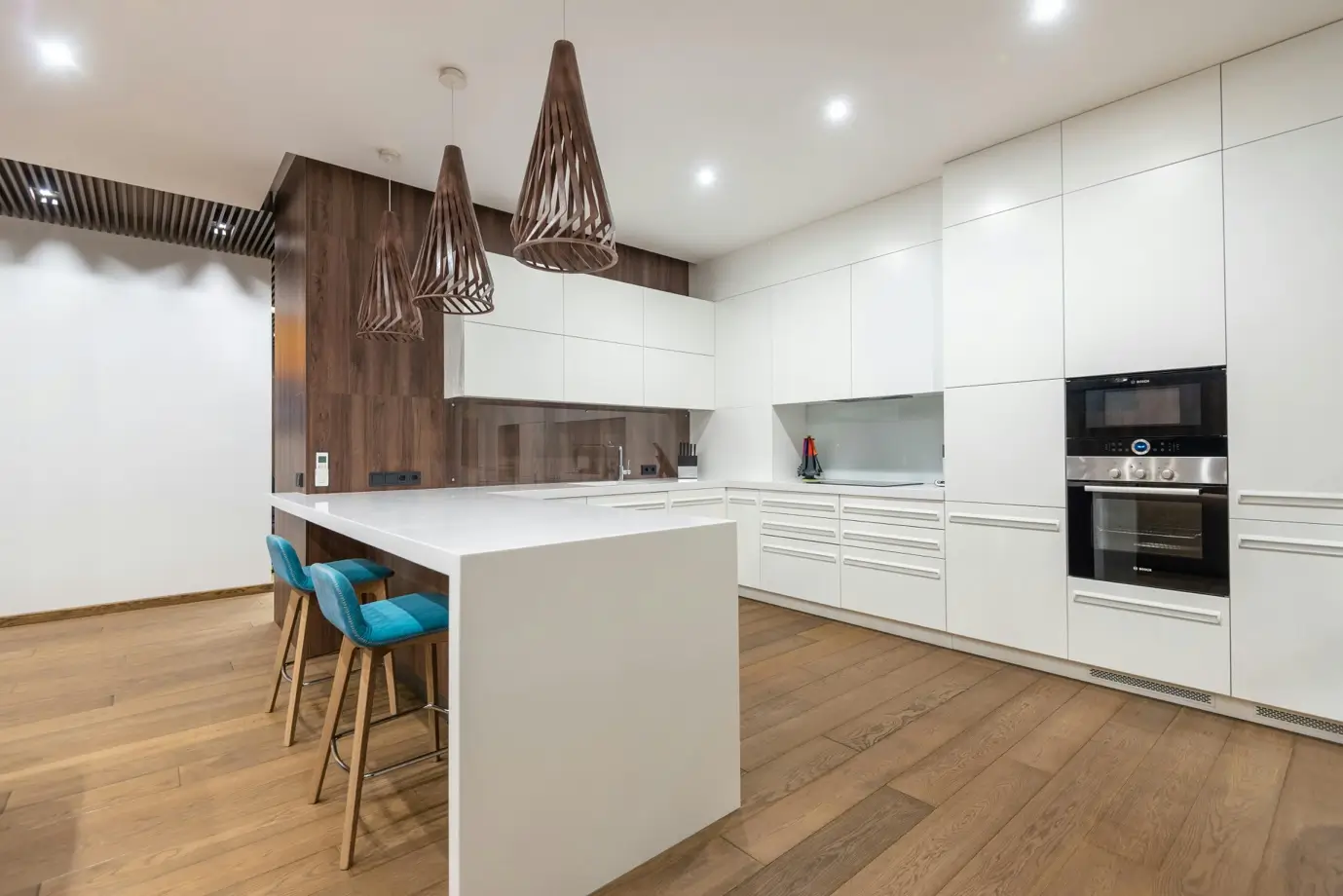
Hybrid flooring is swiftly becoming a popular choice for homeowners and designers alike, offering the perfect blend of durability, style, and practicality. But what exactly is hybrid flooring, and why is it capturing so much attention? In this blog post, we’ll explore what hybrid flooring is, how it’s made, what it contains, and the myriad benefits it offers. Additionally, we’ll explain how YIP (Your Import Partner) can help you source this innovative flooring solution.

What is Hybrid Flooring?

Hybrid flooring is a cutting-edge product that combines the best attributes of vinyl and laminate flooring. It is designed to provide the ultimate in performance and aesthetics, making it suitable for a wide range of residential and commercial applications. Hybrid flooring is engineered to be waterproof, durable, and stylish, making it a versatile and practical choice for any space.

How is Hybrid Flooring Made?

Hybrid flooring is constructed using multiple layers, each designed to provide specific benefits:

1. Wear Layer: This top layer is made from a high-density, transparent coating that protects against scratches, dents, and stains, ensuring the floor remains looking new for years.
2. Decorative Layer: Below the wear layer, a high-resolution printed image replicates the look of natural materials like wood or stone, providing the desired aesthetic appeal.
3. Core Layer: The core of hybrid flooring is typically made from a combination of PVC (polyvinyl chloride) and limestone, creating a rigid, waterproof, and stable structure.
4. Backing Layer: The bottom layer often consists of an acoustic underlay that helps reduce noise and provides added comfort underfoot.

What Does Hybrid Flooring Contain?

Hybrid flooring contains a blend of materials that make it both robust and visually appealing:

– PVC: Provides flexibility and waterproofing properties.
– Limestone: Adds rigidity and stability to the core.
– High-Density Fibreboard (HDF) or Stone-Plastic Composite (SPC): Depending on the product, the core can vary, but both options offer excellent durability and resistance to environmental changes.
– UV Coating: Enhances the wear layer’s resistance to fading and damage from sunlight.

Benefits of Hybrid Flooring

1. Waterproof: One of the standout features of hybrid flooring is its complete waterproof nature, making it ideal for kitchens, bathrooms, and other moisture-prone areas.
2. Durability: Hybrid flooring is designed to withstand heavy foot traffic, making it perfect for busy households and commercial spaces.
3. Aesthetic Appeal: With high-resolution printing technology, hybrid flooring can accurately mimic the look of natural materials like wood or stone, offering a stylish finish that complements any décor.
4. Easy Installation: Many hybrid flooring products feature a click-lock system that makes installation quick and straightforward, even for DIY enthusiasts.
5. Low Maintenance: Hybrid flooring requires minimal maintenance; regular sweeping and occasional mopping are usually sufficient to keep it looking pristine.
6. Comfort and Acoustic Benefits: The integrated underlay provides a softer feel underfoot and helps reduce noise, enhancing comfort and tranquility in your space.
7. Stability: Unlike traditional wood flooring, hybrid flooring is less susceptible to expansion and contraction due to temperature and humidity changes, ensuring a stable and reliable surface.

How YIP Can Help

At YIP, we understand the growing demand for innovative flooring solutions like hybrid flooring. Here’s how we can assist you in sourcing this exceptional product:

1. Expert Sourcing: We collaborate with top-tier manufacturers to source high-quality hybrid flooring that meets your specific requirements.
2. Quality Assurance: Our stringent quality control processes ensure that you receive flooring that meets the highest standards of durability, appearance, and performance.
3. Custom Solutions: Whether you need a particular style, colour, or finish, we offer customised solutions to match your unique needs and preferences.
4. Comprehensive Support: From managing import documentation to ensuring timely delivery, our end-to-end logistical support guarantees a hassle-free procurement experience.
5. Sustainability Focus: We prioritise eco-friendly products and practices, helping you make environmentally responsible choices without compromising on quality or style.

Conclusion

Hybrid flooring represents the future of interior design, offering a harmonious blend of beauty, durability, and practicality. By understanding what hybrid flooring is, how it’s made, and the benefits it provides, you can make an informed decision for your next flooring project. And with YIP by your side, sourcing and installing hybrid flooring becomes a seamless and rewarding process.

Ready to transform your space with hybrid flooring? Contact YIP today and let us help you bring the best in flooring innovation to your home or business.

Calculating...
Hybrid flooring is swiftly becoming a popular choice for homeowners and designers alike, offering the perfect blend of durability, style, and practicality. But what exactly is hybrid flooring, and why...

Engineered timber flooring is rapidly becoming a favourite among homeowners and interior designers alike, offering a perfect blend of beauty, durability, and practicality. But what exactly is engineered timber, and why should you consider it for your next renovation project? In this blog post, we’ll explore the essential facts, benefits, drawbacks, and potential challenges of engineered timber flooring, and explain how YIP (Your Import Partner) can assist you in sourcing this versatile flooring option.

What is Engineered Timber Flooring?

Engineered timber flooring is composed of multiple layers of wood, with a solid hardwood top layer and several layers of plywood or high-density fibreboard (HDF) underneath. This construction method provides the natural beauty of hardwood with enhanced stability and resistance to environmental changes.

Key Facts About Engineered Timber Flooring

1. Construction: Engineered timber consists of a real hardwood veneer bonded to a core of plywood or HDF, which provides added strength and stability.
2. Appearance: It offers the same aesthetic appeal as solid hardwood, with a wide range of finishes and styles available.
3. Durability: The layered construction makes it more resistant to warping and movement due to moisture and temperature changes compared to solid wood.
4. Versatility: Suitable for installation in a variety of settings, including basements and over radiant heating systems.

The Benefits of Engineered Timber Flooring

1. Stability: Engineered timber is less likely to expand or contract with changes in humidity and temperature, making it a more stable option than solid wood.
2. Aesthetic Variety: Available in numerous wood species, finishes, and styles, it can suit any décor from traditional to modern.
3. Ease of Installation: Many engineered timber floors feature click-lock systems that make installation quicker and easier, even for DIY enthusiasts.
4. Cost-Effective: Often more affordable than solid hardwood while providing a similar look and feel.
5. Eco-Friendly: Using less hardwood per plank than solid wood floors, engineered timber is a more resource-efficient choice.

The Drawbacks of Engineered Timber Flooring

1. Surface Wear: The thinner top layer can only be sanded and refinished a limited number of times compared to solid wood.
2. Moisture Sensitivity: While more stable than solid wood, engineered timber can still be damaged by excessive moisture if not properly maintained.
3. Quality Variation: There can be significant differences in quality between products, so it’s important to choose reputable brands and suppliers.

Challenges During Installation

1. Subfloor Preparation: A clean, dry, and level subfloor is essential to prevent issues such as uneven surfaces or squeaking.
2. Acclimation: Allow the flooring to acclimate to the room’s conditions for a few days before installation to prevent expansion or contraction issues.
3. Installation Method: Depending on the product, installation can be done via floating, glue-down, or nail-down methods, each with its own requirements and challenges.
4. Moisture Control: Proper moisture barriers are crucial, especially in areas like basements or over concrete slabs, to protect against dampness.

Considerations Before Installing Engineered Timber Flooring

1. Room Usage: Consider the specific needs of the room where you plan to install the flooring. High-traffic areas may benefit from thicker wear layers.
2. Climate: Engineered timber performs well in various climates, but extreme humidity or temperature fluctuations can still affect it.
3. Quality and Certification: Ensure you are purchasing high-quality engineered timber from reputable suppliers. Look for certifications such as FSC (Forest Stewardship Council) to guarantee sustainability and ethical sourcing.
4. Maintenance: While easy to maintain, engineered timber requires regular cleaning and occasional refinishing to keep it looking its best.

How YIP Can help

At YIP, we understand the intricacies of sourcing high-quality engineered timber flooring. Here’s how we can support you:

1. Expert Sourcing: We partner with trusted suppliers to ensure you receive the best engineered timber flooring available.
2. Quality Assurance: Our stringent quality checks ensure that your flooring meets international standards and certifications.
3. Custom Solutions: Whether you need specific finishes, sizes, or wood species, we provide tailored solutions to meet your unique needs.
4. Logistical Support: From handling import documentation to ensuring timely delivery, our comprehensive logistical services guarantee a smooth process.
5. Sustainability Focus: We prioritise eco-friendly products and practices, aligning with your commitment to sustainability and environmental stewardship.

Conclusion

Engineered timber flooring is an excellent choice for those seeking the beauty and warmth of wood with added stability and versatility. By understanding its benefits, potential drawbacks, and installation considerations, you can make an informed decision for your home. And with YIP by your side, sourcing and installing engineered timber flooring becomes a seamless and satisfying experience.

Ready to enhance your home with engineered timber flooring? Contact YIP today and let us help you bring the timeless elegance of wood into your living space.

Calculating...
Engineered timber flooring is rapidly becoming a favourite among homeowners and interior designers alike, offering a perfect blend of beauty, durability, and practicality. But what exactly is engineered timber, and...

Bamboo flooring is gaining popularity as a stylish and eco-friendly alternative to traditional hardwood floors. But what exactly makes bamboo so special, and why should you consider it for your next home improvement project? In this blog post, we’ll delve into the key facts, pros, cons, and potential pitfalls of bamboo flooring, and highlight how YIP (Your Import Partner) can assist you in procuring this sustainable flooring option.

What is Bamboo Flooring?

Bamboo flooring is made from the bamboo plant, which is actually a type of grass. This plant is known for its rapid growth and sustainability, making it an excellent renewable resource. Typically, bamboo reaches maturity in just five to seven years, compared to the decades it takes for traditional hardwood trees to mature.

Key Facts About Bamboo Flooring

1. Sustainability: Bamboo is one of the fastest-growing plants on Earth, making it an environmentally friendly choice. It regenerates quickly and requires no replanting after harvesting.
2. Durability: When processed properly, bamboo flooring can be as hard and durable as oak. There are different types of bamboo flooring, such as strand-woven, which is particularly known for its strength.
3. Aesthetic Appeal: Bamboo flooring offers a unique and natural look that can range from light blond to darker hues, depending on the processing method.
4. Versatility: Bamboo can be installed in various settings, from living rooms to kitchens and even bathrooms, provided it is adequately sealed.

The Pros of Bamboo Flooring

1. Eco-Friendly: Choosing bamboo helps reduce deforestation and promotes sustainable living.
2. Cost-Effective: Bamboo flooring is generally more affordable than traditional hardwood options.
3. Easy Maintenance: It requires minimal maintenance; regular sweeping and occasional mopping are usually sufficient.
4. Allergy-Friendly: Bamboo floors do not trap dust and allergens, making them a good option for allergy sufferers.
5. Variety: Available in various grains and finishes, bamboo flooring can complement any interior design.

The Cons of Bamboo Flooring

1. Moisture Sensitivity: Bamboo can be susceptible to moisture and humidity, which may cause warping if not properly maintained.
2. Scratches and Dents: While durable, bamboo is still prone to scratches and dents, especially in high-traffic areas.
3. Chemical Processing: Some bamboo flooring options are processed with formaldehyde and other chemicals, which can be a concern for indoor air quality. Always opt for flooring with low VOC emissions.

Pitfalls During Installation

1. Subfloor Preparation: Bamboo flooring requires a clean, dry, and level subfloor. Any imperfections can lead to problems down the line.
2. Acclimation: Like all natural materials, bamboo needs to acclimate to your home’s environment. Failing to allow for this can result in expansion or contraction issues.
3. Installation Method: Depending on the type of bamboo flooring, installation can be done via nail-down, glue-down, or floating methods. Each method has its own set of challenges and requirements.
4. Moisture Control: Proper moisture barriers must be installed to prevent moisture from seeping up from the subfloor, especially in basements or areas prone to dampness.

Things to Consider Before Installing Bamboo Flooring

1. Type of Bamboo: Choose between horizontal, vertical, or strand-woven bamboo based on your aesthetic and durability preferences.
2. Room Usage: Consider the specific requirements of the room where you plan to install bamboo flooring. High-traffic areas may benefit from a more durable strand-woven option.
3. Climate: Bamboo performs best in stable climates. If you live in an area with high humidity or extreme temperature fluctuations, take extra precautions.
4. Quality and Certification: Ensure you are purchasing high-quality bamboo flooring from reputable suppliers. Look for certifications such as FSC (Forest Stewardship Council) to ensure sustainable and eco-friendly practices.

How YIP Can Help

At YIP, we understand the challenges and nuances of importing high-quality bamboo flooring. Here’s how we can assist you:

1. Expert Sourcing: We work with trusted suppliers to source the finest bamboo flooring, ensuring you receive top-notch products.
2. Quality Assurance: Our rigorous quality checks guarantee that you receive flooring that meets international standards and certifications.
3. Custom Solutions: Whether you need a specific finish, size, or type of bamboo flooring, we provide custom solutions tailored to your needs.
4. Logistical Support: From handling import paperwork to ensuring timely delivery, our comprehensive logistical support ensures a hassle-free experience.
5. Sustainability Focus: We prioritise eco-friendly products and practices, aligning with your values of sustainability and environmental responsibility.

Conclusion

Bamboo flooring is a fantastic choice for those looking to combine beauty, durability, and sustainability in their homes. By understanding the key facts, benefits, and potential drawbacks, you can make an informed decision. And with YIP by your side, procuring and installing bamboo flooring becomes a seamless and rewarding experience.

Ready to transform your home with bamboo flooring? Contact YIP today and let us help you bring nature’s elegance into your living space.

Calculating...
Bamboo flooring is gaining popularity as a stylish and eco-friendly alternative to traditional hardwood floors. But what exactly makes bamboo so special, and why should you consider it for your...

Introduction

Choosing the right flooring is a crucial decision in any home renovation project. The flooring not only affects the aesthetics of your space but also influences its functionality, durability, and overall ambiance. With a wide range of flooring options available, selecting the perfect flooring for your renovation can feel overwhelming. In this comprehensive guide, we’ll explore the key factors to consider when selecting flooring for your home renovation, empowering you to make informed decisions that align with your style, budget, and lifestyle needs.

Considerations

1. Assess Your Lifestyle and Needs:
Before exploring flooring options, start by assessing your lifestyle, household dynamics, and specific needs. Consider factors such as foot traffic, pets, children, allergies, and maintenance preferences. For example, families with young children may prioritise durability and easy maintenance, while allergy sufferers may opt for hypoallergenic flooring materials.

2. Define Your Design Aesthetic:
Flooring plays a significant role in setting the tone and style of your space. Define your design aesthetic and desired ambiance for each room in your renovation project. Whether you prefer classic elegance, modern minimalism, rustic charm, or eclectic flair, choose flooring materials and finishes that complement your design vision and enhance the overall look and feel of your home.

3. Consider Room-Specific Requirements:
Different rooms in your home have unique requirements and usage patterns that should influence your flooring choices. For high-traffic areas like entryways, hallways, and living rooms, prioritise durable, scratch-resistant materials such as hardwood, laminate, or luxury vinyl plank (LVP). In moisture-prone areas like bathrooms and kitchens, opt for water-resistant flooring options such as ceramic tile, porcelain tile, or vinyl flooring.

4. Evaluate Flooring Materials:
Explore the various flooring materials available and evaluate their characteristics, advantages, and limitations. Common flooring materials include hardwood, laminate, vinyl, ceramic tile, porcelain tile, natural stone, carpet, and engineered wood. Consider factors such as durability, maintenance requirements, water resistance, comfort, and eco-friendliness when comparing different flooring options.

5. Factor in Budget and Long-Term Costs:
Establish a realistic budget for your flooring renovation project and factor in both upfront costs and long-term maintenance expenses. While certain flooring materials may have a higher initial cost, they may offer superior durability and longevity, resulting in lower overall costs over time. Balance your budget considerations with your desired aesthetics and performance requirements to find the best value flooring option for your renovation.

6. Explore Sustainable and Eco-Friendly Options:
For environmentally conscious homeowners, consider exploring sustainable and eco-friendly flooring options that minimise environmental impact and promote healthy indoor air quality. Sustainable flooring options include bamboo, cork, reclaimed wood, linoleum, and recycled materials.

7. Test Samples and Visualise the Space:
Once you’ve narrowed down your flooring options, obtain samples or swatches to test in your home environment. Place samples in different rooms and lighting conditions to assess how they look and feel in the space. Visualise how each flooring option complements your existing decor, furniture, and architectural features to ensure a cohesive and harmonious design scheme.

8. Seek Professional Advice and Installation:
When in doubt, seek professional advice from flooring specialists, interior designers, or renovation professionals. They can provide valuable insights, recommendations, and expertise to help you navigate the selection process and make informed decisions. Additionally, enlist professional installation services to ensure proper preparation, installation, and finishing of your chosen flooring materials for optimal performance and longevity.

Conclusion

Selecting flooring for your home renovation is a significant decision that requires careful consideration of various factors, including lifestyle needs, design preferences, room-specific requirements, budget constraints, and environmental considerations. By assessing your needs, defining your design aesthetic, evaluating flooring materials, considering long-term costs, exploring sustainable options, testing samples, and seeking professional advice, you can confidently choose the perfect flooring for your renovation project. With the right flooring choice, you can transform your space into a stylish, functional, and inviting environment that reflects your unique personality and enhances your quality of life.

Calculating...
Choosing the right flooring is a crucial decision in any home renovation project. The flooring not only affects the aesthetics of your space but also influences its functionality, durability, and...

Engineered flooring has become increasingly popular in recent years, offering a balance of beauty, durability, and versatility. This type of flooring consists of multiple layers of wood veneer bonded together to create a stable and resilient product. In this article, we’ll delve into the pros and cons of engineered flooring, important considerations to keep in mind, different quality standards, and potential pitfalls to avoid.

Pros of Engineered Flooring:

1. Durability: Engineered flooring is highly durable and resistant to warping, shrinking, and expanding, making it suitable for use in areas with fluctuating humidity levels, such as kitchens and bathrooms.

2. Versatility: Engineered flooring can be installed in various locations, including above, on, or below grade. It is compatible with radiant heating systems and can be installed over concrete subfloors, making it a versatile option for renovations.

3. Aesthetics: Engineered flooring offers the natural beauty of hardwood with added stability and moisture resistance. It is available in a wide range of wood species, finishes, and plank sizes, allowing for customisation to suit different design preferences.

4. Easy Installation: Engineered flooring typically features a click-lock or tongue-and-groove installation system, making it easy to install for professionals, DIY enthusiasts or even first time renovators. It requires minimal acclimation time and can be installed quickly and efficiently.

5. Environmentally Friendly: Engineered flooring is often made from sustainable materials, including fast-growing wood species and recycled wood fibers. It is also more resource-efficient than solid hardwood, as it uses less wood in its construction.

Cons of Engineered Flooring:

1. Limited Refinishing: While engineered flooring can be sanded and refinished a few times, it has a thinner wear layer compared to solid hardwood. This means that it may not withstand as many refinishing cycles and may need to be replaced sooner.

2. Cost: Engineered flooring can be more expensive than other types of flooring, including laminate and vinyl. While it offers durability and versatility, the higher upfront cost may be a deterrent for some homeowners.

3. Moisture Sensitivity: While engineered flooring is more resistant to moisture than solid hardwood, it is still susceptible to water damage if exposed to excessive moisture or standing water. Proper installation and maintenance are essential to prevent moisture-related issues.

4. Quality Variability: The quality of engineered flooring can vary depending on the manufacturer, construction, and materials used. It is essential to research reputable brands and inquire about warranty coverage and quality standards before making a purchase.

Considerations for Choosing Engineered Flooring:

1. Construction: Engineered flooring is available in various constructions, including three-layer, five-layer, and multi-layer. Consider the number of layers, thickness of the wear layer, and quality of the core materials when choosing engineered flooring for your renovation.

2. Finish: Choose a finish that complements your design aesthetic and provides the desired level of durability and protection. Options include matte, satin, semi-gloss, and high-gloss finishes, each with its own unique look and feel.

3. Installation Method: Consider the installation method of engineered flooring and whether it aligns with your skill level and preferences. Click-lock systems are easy to install and require minimal tools, while tongue-and-groove systems may require more expertise.

Different Quality Standards:

1. Wear Layer Thickness: The wear layer thickness of engineered flooring varies depending on the manufacturer and product line. A thicker wear layer provides more durability and allows for more refinishing cycles.

2. Core Material Quality: The quality of the core materials used in engineered flooring can impact its stability and longevity. High-quality core materials, such as plywood or HDF (high-density fibreboard), provide better structural integrity and resistance to moisture.

3. Finish Quality: The quality of the finish applied to engineered flooring affects its appearance, durability, and resistance to scratches and stains. Look for products with UV-cured finishes that provide superior protection and longevity.

Potential Pitfalls to Avoid:

1. Choosing the Wrong Thickness: Selecting the appropriate thickness of engineered flooring is essential for durability and longevity. Thicker planks offer more stability and can withstand more wear and tear over time.

2. Skipping Moisture Testing: Proper moisture testing is critical before installing engineered flooring, especially in areas prone to moisture and humidity. Failure to address moisture issues can lead to buckling, warping, and other damage.

3. Ignoring Manufacturer Recommendations: Always follow the manufacturer’s installation guidelines and recommendations for acclimation, installation, and maintenance. Failure to do so may void warranty coverage and result in installation issues.

Conclusion

In conclusion, engineered flooring offers many benefits, including durability, versatility, and aesthetics. However, it is essential to weigh the pros and cons, consider important factors such as construction and finish, and research reputable brands and quality standards before deciding. By taking these considerations into account and avoiding potential pitfalls, you can select the perfect engineered flooring for your renovation project and enjoy a beautiful and long-lasting floor for years to come.

Calculating...
Engineered flooring has become increasingly popular in recent years, offering a balance of beauty, durability, and versatility. This type of flooring consists of multiple layers of wood veneer bonded together...

Selecting the perfect flooring for your renovation is crucial for both aesthetics and functionality. The right flooring can enhance the overall look of your space while also providing durability and ease of maintenance. In this blog, we’ll explore various flooring materials and important considerations to help you make an informed decision for your renovation project.

Types of Flooring

1. Hardwood Flooring:

Hardwood flooring adds warmth and character to any space, making it a timeless choice for renovations. It is available in a variety of wood species, finishes, and plank sizes to suit different design preferences. Hardwood is durable, long-lasting, and can be refinished multiple times to restore its original beauty. However, it may be prone to scratching and water damage, so it may not be suitable for high-moisture areas such as bathrooms.

2. Laminate Flooring:

Laminate flooring offers the look of hardwood or stone at a more affordable price point. It is composed of multiple layers, including a photographic layer that mimics the appearance of natural materials. Laminate is durable, scratch-resistant, and easy to clean, making it ideal for high-traffic areas such as living rooms and hallways. However, it may not be as long-lasting as hardwood and cannot be refinished.

3. Vinyl Flooring:

Vinyl flooring is a versatile and cost-effective option for renovations. It is available in a wide range of colors, patterns, and textures, including options that mimic the look of hardwood, stone, or tile. Vinyl is durable, water-resistant, and easy to maintain, making it suitable for kitchens, bathrooms, and other high-moisture areas. It is also comfortable underfoot and provides excellent sound absorption.

4. Tile Flooring:

Tile flooring is a popular choice for bathrooms, kitchens, and other areas prone to moisture and spills. It is available in a variety of materials, including ceramic, porcelain, and natural stone, each with its own unique characteristics and aesthetic appeal. Tile is durable, water-resistant, and easy to clean, making it ideal for busy households. However, it may be prone to cracking or chipping if not installed properly.

5. Engineered Hardwood Flooring:

Engineered hardwood flooring consists of multiple layers of wood veneer bonded together to create a stable and durable product. It offers the natural beauty of hardwood with added stability and moisture resistance, making it suitable for a wide range of applications. Engineered hardwood can be installed over concrete subfloors and is compatible with radiant heating systems, making it a versatile option for renovations.

Considerations:

– Budget: Consider your budget when choosing flooring materials for your renovation. While hardwood may be more expensive upfront, it can add value to your home and last for decades with proper care. Laminate and vinyl are more affordable options that offer durability and versatility at a lower price point.

– Durability: Assess the durability of each flooring material and how it will hold up to everyday wear and tear. Consider factors such as scratch resistance, water resistance, and ease of maintenance when making your decision.

– Aesthetic: Choose a flooring material that complements the overall aesthetic of your space and reflects your personal style. Consider factors such as color, texture, and pattern to ensure that the flooring enhances the look and feel of your renovation.

– Installation: Consider the installation requirements of each flooring material and whether you plan to hire a professional installer or tackle the project yourself. Some materials, such as tile and hardwood, may require special tools and expertise for proper installation.

– Maintenance and Cleaning: Think about the maintenance requirements of each flooring material and how much time and effort you are willing to invest in upkeep. Some materials, such as laminate and vinyl, are low-maintenance and easy to clean, while others, such as hardwood and tile, may require more frequent care and maintenance.

By carefully considering the materials and factors mentioned above, you can choose the perfect flooring for your renovation project, creating a beautiful and functional space that meets your needs and exceeds your expectations.

Calculating...
Selecting the perfect flooring for your renovation is crucial for both aesthetics and functionality. The right flooring can enhance the overall look of your space while also providing durability and...

FAQ

Common Questions Answered.

Can’t find what you’re looking for? Get in touch and we’ll answer your specific question directly.

Have a project-specific question?

We respond to all enquiries within one business day. No sales pitch — just a straight answer.

There is no fixed minimum order value. However, the economics of importing work best at a certain scale — typically a full kitchen or bathroom fitout rather than individual items. We’ll always tell you upfront if a particular order doesn’t make financial sense to import.

From initial enquiry to site delivery, most orders take 10–16 weeks. This includes 2–3 weeks for sourcing and quoting, 4–6 weeks for factory production, 3–5 weeks for sea freight, and 1–2 weeks for customs clearance and last-mile delivery. We provide a detailed programme at the time of quoting.

We conduct quality inspections at the factory before goods are shipped. If a defect is missed and products arrive damaged or non-conforming, we manage the replacement process at no additional cost to you. This is why we only work with verified manufacturers who have agreed to our quality standards.

Yes. Most building materials attract a 5% customs duty and 10% GST on the landed value (FOB price + freight + insurance). We include all duties and taxes in our landed cost quotes so there are no surprises. Some product categories have 0% duty — we’ll identify these where applicable.

Absolutely — and most of our clients do. We typically handle the high-value, high-specification items (stone, cabinetry, tapware) where the savings are most significant, while locally sourced materials are used for structural and commodity items.

We only source products that meet the relevant Australian standards for their category. For plumbing fixtures, this means WaterMark certification. For electrical items, SAA certification. We provide full compliance documentation with every order.

Yes. For most product categories we can arrange samples prior to order. Sample costs are typically credited against your first order. Lead time for samples is usually 2–4 weeks.

From initial enquiry to site delivery, most orders take 10–16 weeks. This includes 2–3 weeks for sourcing and quoting, 4–6 weeks for factory production, 3–5 weeks for sea freight, and 1–2 weeks for customs clearance and last-mile delivery. We provide a detailed programme at the time of quoting.

Ready to Start Your Enquiry?

Tell us about your project and we’ll come back with a clear scope, price, and timeline.